
AP Language Multiple-Choice Practice PDF: A Comprehensive Plan
Effective preparation for the AP Language exam hinges on utilizing practice PDFs‚ focusing on question types‚ and mastering rhetorical analysis skills for success.
Understanding the AP Language Exam Format
The AP English Language and Composition exam assesses skills in rhetorical analysis‚ argumentation‚ and writing. The exam structure includes a multiple-choice section and a free-response section. Students now complete both sections digitally using the Bluebook testing app‚ ensuring automatic submission. The multiple-choice portion comprises 45 questions‚ testing comprehension and analytical abilities through various passage types.
Exam questions directly align with the concepts and skills outlined in the official Course and Exam Description (CED)‚ available from the College Board. Understanding this framework is crucial. The AP exam leverages content from diverse sources‚ including speeches‚ essays‚ articles‚ and documents‚ demanding adaptability. Preparation should prioritize familiarizing oneself with these formats and the scoring guidelines.
The Multiple-Choice Section: Overview
The AP Language multiple-choice section consists of 45 questions and represents 40% of your total exam score. Crucially‚ there’s no penalty for incorrect answers; therefore‚ attempting every question is advised. You’ll first read a passage – which could be fiction‚ poetry‚ a speech‚ or an informational text – and then encounter the associated questions.
These questions assess your ability to analyze rhetorical strategies‚ understand author’s purpose‚ and interpret meaning. Time is a significant factor‚ so efficient reading and strategic question tackling are essential. Practice PDFs are invaluable for building speed and accuracy. Remember‚ the exam is administered via the Bluebook app‚ requiring digital familiarity.
Scoring the Multiple-Choice Section
Your raw score on the AP Language multiple-choice section is simply the number of questions answered correctly. Each correct answer contributes equally to your score; there is absolutely no deduction for incorrect guesses or unanswered questions. This encourages students to attempt every question‚ even if unsure of the answer.

This raw score is then converted into a scaled score ranging from 30 to 50. This scaled score‚ combined with your free-response section score‚ determines your final AP score of 1-5. Utilizing practice PDFs allows you to gauge your potential raw score and identify areas needing improvement before exam day. Consistent practice builds confidence and accuracy.
Time Management Strategies

Effective time management is crucial for success on the AP Language multiple-choice section. Many students struggle because they dwell too long on difficult questions‚ leaving insufficient time for easier ones. A recommended strategy is to answer the questions you know first‚ marking the more challenging ones for review later.
Practice PDFs are invaluable for honing this skill. Simulate exam conditions by timing yourself while completing practice passages. Aim to spend roughly one minute per question. Regularly analyzing your pacing with practice tests will reveal areas where you can improve efficiency. Don’t be afraid to skip and return – a completed attempt is better than a perfect‚ unfinished one!
Passage Types Commonly Found on the Exam
AP Language passages vary significantly‚ demanding adaptable reading and analytical skills. Expect to encounter literary passages – fiction and poetry – requiring interpretation of stylistic choices and thematic elements. Rhetorical analysis passages‚ often speeches or essays‚ test your ability to dissect argumentation and persuasive techniques.
Informational texts‚ like articles and documents‚ assess comprehension and critical evaluation of evidence. Practice PDFs should expose you to all these types. Familiarity with diverse genres builds confidence and improves performance. Recognizing the author’s purpose and intended audience is key to unlocking each passage’s nuances‚ and practice is essential for rapid identification.
Literary Passages: Fiction & Poetry
When facing fiction or poetry‚ focus on how literary devices contribute to meaning. Analyze diction and syntax for their impact on tone and style. Identify imagery and figurative language – metaphors‚ similes‚ personification – and explain their effects.
Consider the narrative voice‚ character development‚ and plot structure. For poetry‚ pay close attention to form‚ rhyme scheme‚ and meter. Practice PDFs should include passages with varying complexities. Don’t simply identify devices; explain why the author chose them and how they shape the reader’s understanding. Understanding the author’s craft is paramount to success.
Rhetorical Analysis Passages: Speeches & Essays
Rhetorical passages—speeches and essays—demand a focus on the author’s purpose and how they achieve it. Identify the central argument and the strategies used to persuade the audience. Key elements include ethos‚ pathos‚ and logos.
Practice PDFs should present diverse rhetorical situations. Analyze diction‚ syntax‚ and figurative language specifically for their persuasive effects. Consider the intended audience and how the author tailors their message. Questions will often ask about the author’s choices and their impact. Mastering rhetorical analysis is crucial; don’t just name devices‚ explain their function within the argument.
Informational Passages: Articles & Documents
Informational passages‚ like articles and documents‚ test your ability to understand complex ideas and analyze an author’s presentation of information. Focus on identifying the main idea‚ supporting evidence‚ and the author’s tone.
Practice PDFs should include a variety of sources – news reports‚ scientific articles‚ historical documents. Pay attention to how the author structures their argument and uses evidence to support their claims. Questions will assess your ability to infer meaning‚ understand the author’s purpose‚ and evaluate the credibility of the source. Look for biases and consider the context in which the passage was written.
Key Rhetorical Devices to Identify
Mastering rhetorical devices is crucial for AP Language success. Practice PDFs should emphasize identifying techniques like metaphor‚ simile‚ personification‚ and hyperbole within passages. Understanding diction and syntax – word choice and sentence structure – reveals an author’s intent.
Look for appeals to ethos (credibility)‚ pathos (emotion)‚ and logos (logic). Recognize how authors use rhetorical questions‚ repetition‚ and parallelism to persuade their audience. Analyzing these devices demonstrates a sophisticated understanding of how language shapes meaning; Effective practice involves not just identifying the device‚ but explaining its effect on the passage’s overall argument.
Diction and Syntax
Diction and syntax are foundational to rhetorical analysis‚ and practice PDFs should heavily feature questions on these elements. Pay close attention to an author’s word choice – is it formal‚ informal‚ abstract‚ or concrete? How does the diction contribute to the passage’s tone and purpose?

Analyze syntax: sentence length‚ structure (simple‚ complex‚ compound)‚ and use of punctuation. Does the author employ parallelism‚ antithesis‚ or other syntactical devices? How do these choices impact the rhythm and flow of the passage‚ and ultimately‚ its persuasive power? Recognizing these nuances demonstrates a deep understanding of how writers craft meaning.
Imagery and Figurative Language

AP Language practice PDFs must include passages rich in imagery and figurative language. Identifying these elements – metaphors‚ similes‚ personification‚ hyperbole – is crucial. Don’t just name the device; analyze its effect. What does the imagery evoke? How does the figurative language contribute to the author’s argument or overall purpose?
Consider the sensory details: visual‚ auditory‚ tactile‚ olfactory‚ and gustatory. Strong imagery creates vivid impressions and appeals to the reader’s emotions. Practice recognizing patterns and understanding how these literary devices work together to shape meaning and enhance the rhetorical impact of a text.
Purpose and Audience

AP Language practice PDFs should heavily emphasize analyzing an author’s purpose and intended audience. Questions frequently assess your ability to discern why an author wrote something and for whom. Consider the context – historical‚ social‚ and political – to understand the author’s motivations.
Look for clues within the text: tone‚ diction‚ and rhetorical strategies all signal purpose. Is the author trying to persuade‚ inform‚ entertain‚ or critique? How does the author tailor their message to a specific audience? Identifying the audience helps explain stylistic choices and the overall effectiveness of the communication.
Common Question Types in the Multiple-Choice Section
AP Language practice PDFs must expose you to the recurring question formats. Expect questions focusing on central ideas and arguments – identifying the main claim and supporting evidence. Inference and interpretation questions demand reading between the lines‚ requiring you to draw logical conclusions.
A significant portion tests your understanding of rhetorical strategies. These questions ask you to pinpoint techniques like metaphor‚ irony‚ or appeals to ethos‚ pathos‚ and logos. Many PDFs present passages followed immediately by questions‚ mirroring the exam format. Mastering these question types through consistent practice is crucial for maximizing your score.
Main Idea and Central Argument Questions
AP Language practice PDFs should heavily feature questions assessing your ability to discern the core message. These questions often ask for the passage’s primary purpose or thesis statement. Look for answers that encompass the entire scope of the text‚ avoiding overly specific details.
Central argument questions require identifying the author’s line of reasoning and the evidence used to support it. Practice pinpointing topic sentences and analyzing how they contribute to the overall claim. Effective PDFs will present distractors – plausible but incorrect answers – forcing you to carefully evaluate the author’s intent and the passage’s structure.
Inference and Interpretation Questions
AP Language practice PDFs must include numerous inference and interpretation questions. These don’t ask for explicitly stated facts‚ but rather require you to “read between the lines.” Focus on what the author implies rather than directly states.

Strong PDFs will present scenarios demanding you to draw logical conclusions based on textual evidence. Avoid answers based on personal opinions or assumptions. Instead‚ ground your interpretations firmly in the passage. Pay close attention to tone‚ word choice‚ and rhetorical devices‚ as these often signal underlying meanings. Mastering this skill is crucial for navigating complex passages effectively.
Rhetorical Strategy Questions
High-quality AP Language practice PDFs heavily emphasize rhetorical strategy questions. These assess your ability to identify how an author constructs their argument. Look for questions asking about the purpose of specific stylistic choices – diction‚ syntax‚ imagery‚ and figurative language are key.
Effective PDFs will present passages and ask why the author chose a particular rhetorical mode (narration‚ description‚ argumentation‚ etc.). Understand how these strategies contribute to the author’s overall purpose and intended effect on the audience. Practice identifying appeals to ethos‚ pathos‚ and logos‚ and how they function within the text.
Utilizing Practice PDFs Effectively
To maximize benefit from AP Language practice PDFs‚ don’t simply answer questions; analyze your performance. Begin by simulating exam conditions – timed sections‚ distraction-free environment. After completing a section‚ meticulously review incorrect answers.
Don’t just look at the correct answer; understand why your initial choice was wrong. Was it a misreading of the passage‚ a misunderstanding of a rhetorical device‚ or a timing issue? Reliable PDFs offer explanations. Furthermore‚ focus on passages you find challenging‚ revisiting them to improve comprehension and analytical skills.
Finding Reliable AP Language Practice PDFs

Locating trustworthy AP Language practice PDFs is crucial. Start with the official College Board resources‚ specifically the Course and Exam Description (CED). These PDFs provide authentic‚ exam-aligned questions. Supplement these with resources from established publishers like CliffsNotes‚ known for their comprehensive study guides.
Be cautious of unverified sources online. Prioritize PDFs that clearly indicate their origin and alignment with the current AP Language curriculum. Many AP exam review websites and courses also offer practice materials. Remember‚ quality over quantity – a few well-crafted PDFs are more valuable than numerous unreliable ones.
Analyzing Incorrect Answers
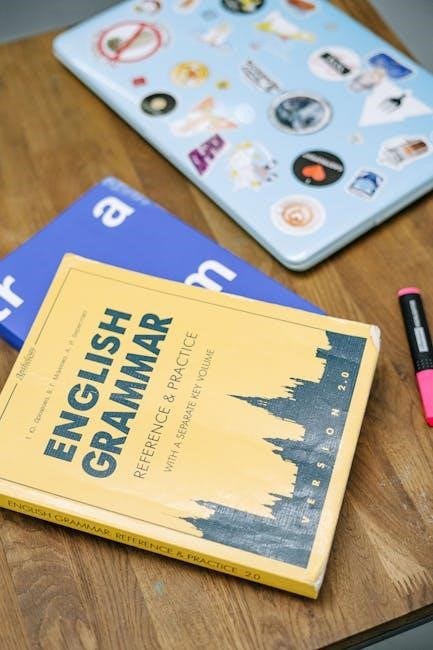
Don’t simply dismiss wrong answers on AP Language practice PDFs; they’re valuable learning opportunities. Carefully review why you chose an incorrect option. Was it a misreading of the passage‚ a misunderstanding of a rhetorical device‚ or a flawed inference?
Compare your reasoning to the correct answer explanation. Identify patterns in your errors – do you consistently struggle with inference questions‚ or perhaps identifying diction’s effect? This self-assessment is key. Understanding your weaknesses allows you to target your studying and refine your test-taking strategies for improved performance.
Simulating Exam Conditions
Maximize your practice with AP Language multiple-choice PDFs by replicating the actual exam environment. Utilize a timer to adhere to the strict time constraints – crucial for preventing rushing and maximizing completed questions. The AP exam is now administered via the Bluebook app‚ so familiarize yourself with this digital format.
Minimize distractions; find a quiet space and avoid using your phone or other devices. Treat each practice PDF as a full-length exam‚ completing all sections without breaks. This builds stamina and mental fortitude‚ preparing you to perform optimally under pressure on test day.
Resources for Further Practice
Expand your preparation beyond basic AP Language multiple-choice practice PDFs with a variety of supplemental materials. The official College Board resources‚ including the Course and Exam Description (CED)‚ are invaluable for understanding exam specifics. Consider CliffsNotes and other study guides for additional practice questions and explanations.
Explore AP Exam review websites and courses offering structured study plans and expert guidance. Don’t overlook current events! Regularly reading AP News and journalism sources enhances your rhetorical analysis skills and provides context for potential passages. Consistent exposure to diverse writing styles is key to success.
Official College Board Resources (CED)
The AP English Language and Composition Course and Exam Description (CED) is the cornerstone of your preparation. Download this official PDF from the College Board website; it details the course framework‚ skills assessed‚ and exam format. It outlines precisely what content will appear on the multiple-choice section‚ including passage types and rhetorical devices.
Review sample questions and scoring guidelines within the CED to understand expectations. Familiarize yourself with the exam’s structure and timing. The CED isn’t just a reference; it’s a blueprint for success. Utilizing this resource ensures your practice aligns with the official AP standards‚ maximizing your potential score.
CliffsNotes and Other Study Guides
CliffsNotes offers a valuable supplementary resource for AP Language students. Their study guides provide concise summaries of literary works and rhetorical concepts often featured on the exam. “Buy This CliffsNotes Book Here!” as suggested‚ to access targeted practice questions and analysis.
However‚ remember these guides are best used in conjunction with official College Board materials. While helpful for reinforcing understanding‚ they shouldn’t be your sole source of preparation. Explore other reputable study guides‚ but always prioritize the CED for accurate exam alignment. Look for guides offering multiple-choice practice specifically mirroring the AP format and difficulty level.
AP Exam Review Websites and Courses
Numerous online platforms offer AP Language review materials‚ including practice tests and video lessons. These resources can supplement your PDF practice‚ providing alternative explanations and strategies. Many websites offer timed practice sections‚ crucial for simulating exam conditions.
Consider exploring courses offered by Khan Academy or other educational providers. These structured programs often include targeted practice on multiple-choice questions‚ focusing on rhetorical analysis and passage comprehension. Remember to evaluate the quality and alignment of these resources with the official College Board Course and Exam Description (CED) to ensure effective preparation.

AP News and Journalism Sources
Exposure to diverse writing styles is vital for AP Language success‚ and regularly reading AP News articles provides excellent practice. The Associated Press (AP) delivers fast‚ accurate‚ and unbiased news‚ showcasing clear and concise rhetoric. Analyzing these articles hones your ability to identify rhetorical devices‚ understand purpose‚ and discern audience – skills directly tested on the multiple-choice section.
Furthermore‚ examining journalism from various sources strengthens your analytical capabilities. Pay attention to how different publications approach similar topics‚ noting variations in diction‚ syntax‚ and overall argumentative strategies. This broad reading base will significantly improve your passage comprehension and analytical writing skills.