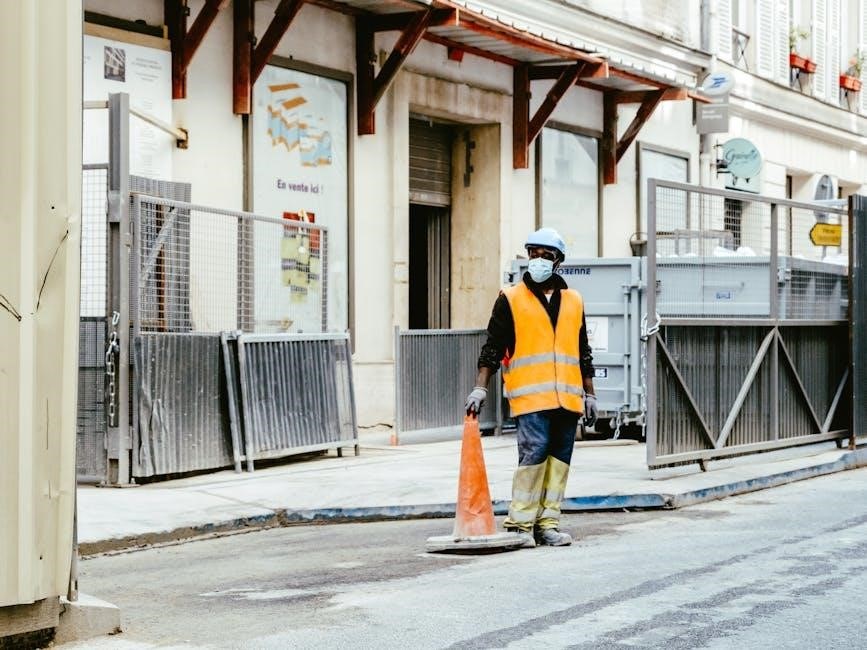
Construction safety plans, like the TA2024 site plan, are vital documents applying to all parties involved in projects.
These PDF-based plans, crucial for Massachusetts builders, ensure a safer work environment and adherence to Occupational Health standards.
Today is 02/12/2026 07:15:15 ()
What is a Construction Safety Plan?
A construction safety plan PDF is a comprehensive, documented strategy outlining procedures to protect workers and prevent incidents on a construction site. As exemplified by the TA2024 turnaround site plan, it applies to all parties involved – from the building project owner (like Borealis) to subcontractors.
These plans aren’t merely checklists; they are dynamic documents detailing hazard identification, risk assessments, and site-specific safety rules. They encompass crucial elements like Personal Protective Equipment (PPE) requirements and detailed emergency procedures, including evacuation plans.
For smaller projects, streamlined Cshp templates are available. Regardless of size, the core purpose remains consistent: to establish a proactive safety culture, ensuring compliance with legal requirements and fostering a safer, more productive work environment. Accessing a suitable construction safety plan template is a key first step.
Importance of a Comprehensive Plan
A comprehensive construction safety plan PDF isn’t simply about ticking boxes; it’s fundamentally about safeguarding lives and minimizing risks. The TA2024 plan highlights this by applying to all work activities, even those pre- or post-turnaround.
Effective plans, like those available as templates for Massachusetts builders, reduce workplace accidents, lower insurance costs, and avoid potential legal repercussions. They demonstrate a commitment to worker well-being, boosting morale and productivity.
Furthermore, a well-defined plan facilitates smooth project execution by proactively addressing potential hazards. With Construction Safety Week 2026 launching a new five-year plan, the industry is increasingly focused on strengthening safety culture and respecting skilled craft workers. A robust PDF plan is central to achieving these goals.
Legal Requirements and Compliance
Construction safety plan PDFs are often mandated by law, ensuring projects adhere to Occupational Health standards, as exemplified by the responsibilities outlined in the TA2024 site plan. Compliance isn’t optional; it’s a legal obligation.
Failure to comply can result in hefty fines, project shutdowns, and even criminal charges. Detailed documentation, readily available in PDF format, is crucial for demonstrating due diligence during inspections.
Templates for Massachusetts builders assist in meeting these requirements. Furthermore, adherence to fire safety regulations, through special technical requirements (STR) incorporated into the plan, is paramount. Maintaining accurate document control and versioning within the PDF ensures all parties are working from the most current, legally compliant version.
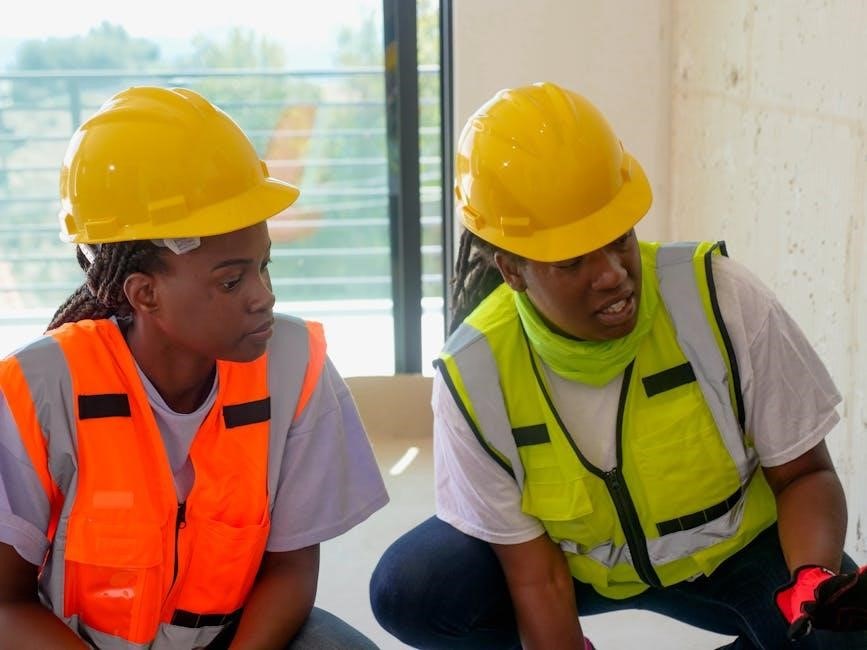
Key Components of a Construction Safety Plan PDF
Construction safety plan PDFs integrate hazard identification, site rules, and defined roles—like the TA2024 plan—for comprehensive risk management and compliance.
Hazard Identification and Risk Assessment
Hazard identification is a cornerstone of any effective construction safety plan PDF, such as those used at sites like TA2024. This process involves systematically recognizing potential dangers present within the work environment.
Following identification, a thorough risk assessment is crucial; This evaluates the likelihood and severity of harm resulting from each hazard. Utilizing a risk assessment matrix allows for prioritization, focusing efforts on the most critical risks first.
Common construction hazards include falls, electrical dangers, excavation collapses, and heavy equipment accidents. The Borealis project, as the main executor, must address these proactively. A well-documented assessment forms the basis for implementing appropriate control measures, ensuring worker safety and regulatory compliance.
Common Construction Hazards
A comprehensive construction safety plan PDF, like the one for the TA2024 turnaround site, must explicitly address frequently encountered dangers. Falls from heights remain a leading cause of injury, necessitating robust fall protection procedures.
Electrical hazards, stemming from exposed wiring or faulty equipment, pose significant risks. Excavation and trenching operations present dangers of collapse, demanding strict adherence to safety protocols.
Furthermore, the operation of heavy equipment introduces risks of collisions and struck-by incidents. Confined space entry, if required, demands specialized procedures. These hazards, relevant to projects like Borealis’s, require detailed mitigation strategies within the safety plan to protect all personnel involved.
Risk Assessment Matrix & Prioritization
A robust construction safety plan PDF, such as those used for turnaround sites like TA2024, relies heavily on a systematic risk assessment matrix. This matrix evaluates potential hazards – identified previously – based on their severity and probability of occurrence.
Typically, risks are categorized (e.g., low, medium, high) allowing for effective prioritization. High-priority risks demand immediate attention and implementation of control measures.

This process, vital for projects overseen by building project owners like Borealis, ensures resources are allocated efficiently to mitigate the most critical dangers. The assessment informs the development of specific safety procedures and training programs, documented within the PDF plan.
Site-Specific Safety Rules
A comprehensive construction safety plan PDF, like the one for the TA2024 turnaround site, must detail site-specific safety rules. These rules go beyond general guidelines, addressing unique hazards present on that particular project.
Crucially, the plan outlines Personal Protective Equipment (PPE) requirements – specifying what gear is mandatory for different tasks. It also details emergency procedures & evacuation plans, ensuring a swift and organized response to incidents.
These rules, applicable to all parties involved, including subcontractors, are essential for maintaining a safe working environment. Proper documentation within the PDF ensures clarity and accountability, supporting Occupational Health cooperation.
Personal Protective Equipment (PPE) Requirements
Within a detailed construction safety plan PDF, like the TA2024 site plan, Personal Protective Equipment (PPE) requirements are paramount. The plan must explicitly state what PPE is mandatory for each task and area of the construction site.
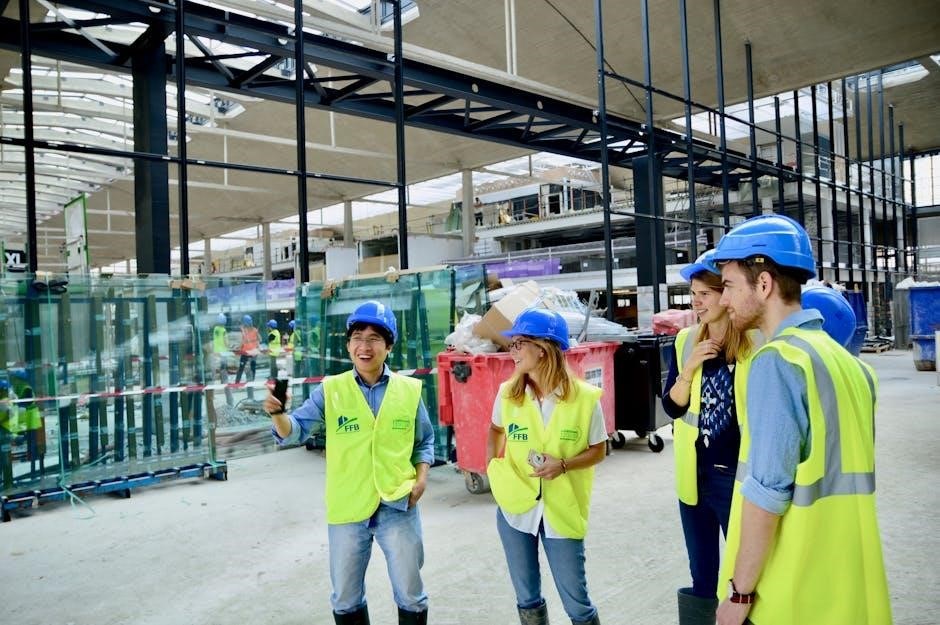
This includes, but isn’t limited to, hard hats, safety glasses, high-visibility vests, gloves, and appropriate footwear. Specific tasks, such as working at heights or with hazardous materials, will necessitate additional PPE like harnesses or respirators.
The PDF should clearly outline inspection procedures for PPE, ensuring it remains in good working order. Proper PPE usage is fundamental to minimizing injuries and upholding Occupational Health standards, benefiting all parties involved.
Emergency Procedures & Evacuation Plans
A comprehensive construction safety plan PDF, such as the TA2024 plan, must detail clear emergency procedures and evacuation plans. These plans should cover a range of potential incidents, including fires, medical emergencies, and natural disasters.
The PDF needs to specify evacuation routes, assembly points, and communication protocols. It should also identify personnel responsible for coordinating emergency responses, like the Occupational Health co-operation team.
Regular drills are essential to ensure all workers understand the procedures. The plan must be readily accessible on-site and reviewed periodically, guaranteeing a swift and effective response in critical situations, safeguarding all involved parties.
Roles and Responsibilities
A robust construction safety plan PDF, exemplified by the TA2024 plan, clearly defines roles and responsibilities for all personnel. Borealis, as the building project owner and main executor, holds significant accountability.
The PDF must outline the Safety Manager’s responsibilities, including hazard identification, risk assessment, and plan enforcement. It also details worker responsibilities, emphasizing adherence to safety protocols and reporting hazards.

Crucially, the plan addresses subcontractor safety coordination, ensuring all external parties comply with site-specific rules and Occupational Health standards. Clear delineation of duties fosters a culture of accountability and promotes a safer work environment for everyone involved;
Safety Manager Responsibilities
Within a comprehensive construction safety plan PDF, like the TA2024 example, the Safety Manager assumes a pivotal role. Their primary responsibility is developing, implementing, and enforcing the safety program outlined in the PDF document.
This includes conducting regular site inspections to identify potential hazards, performing thorough risk assessments, and ensuring all workers receive adequate safety training. The Safety Manager also oversees incident investigations and implements corrective actions.
Furthermore, they are responsible for maintaining accurate records, ensuring compliance with legal requirements, and fostering a proactive safety culture throughout the project. Effective communication and leadership are essential components of this role.
Worker Responsibilities
Every worker contributing to a project governed by a construction safety plan PDF, such as the TA2024 turnaround site, holds crucial safety responsibilities. Workers are obligated to thoroughly understand and adhere to all safety rules and procedures detailed within the PDF document.
This includes correctly using Personal Protective Equipment (PPE), promptly reporting any identified hazards or unsafe conditions, and actively participating in safety training programs and toolbox talks.

Workers must follow established emergency procedures and evacuation plans, and prioritize safe work practices at all times. A commitment to personal safety and the well-being of colleagues is paramount, contributing to a safer jobsite for everyone involved.
Subcontractor Safety Coordination
Effective subcontractor safety coordination is a critical component of any comprehensive construction safety plan PDF, exemplified by the requirements for the TA2024 site. Borealis, as the main executor, must ensure all subcontractors understand and comply with the site’s Occupational Health co-operation guidelines.
Subcontractors are responsible for reviewing the PDF plan, attending safety briefings, and integrating their own safety procedures with the overall site plan.
Clear communication channels must be established to address safety concerns and ensure consistent application of safety protocols. Regular monitoring and audits of subcontractor activities are essential to verify compliance and maintain a safe working environment for all personnel.
Developing a Construction Safety Plan PDF
Construction safety plan PDFs require template selection, customization, and robust document control, mirroring the TA2024 plan’s thoroughness.
Template Selection & Customization
Selecting the right construction safety plan template is the foundational step. Numerous resources offer templates, including those specifically for smaller projects with fewer than ten workers, or detailed plans like the TA2024 turnaround site safety plan.
However, a generic template is rarely sufficient. Customization is paramount. This involves adapting the template to the specific hazards and conditions of your construction site. Consider factors like the type of work being performed, the equipment used, and the site layout.
Ensure the PDF document allows for easy editing and updating. Incorporate site-specific rules, emergency procedures, and clearly defined roles and responsibilities. Tailoring the plan demonstrates a commitment to proactive safety management and compliance with legal requirements.
Document Control and Versioning
Maintaining strict document control is critical when managing a construction safety plan PDF. A clear system for tracking revisions ensures everyone is working from the most current version, preventing confusion and potential hazards.
Implement a versioning system – for example, using dates or sequential numbers (v1.0, v1.1, etc.) – to easily identify updates. Record who made the changes and when. This audit trail is vital for accountability and incident investigation.
Securely store previous versions of the plan. This allows for reference and analysis of past safety protocols. Proper document control, like that needed for the TA2024 project, demonstrates a commitment to continuous improvement and regulatory compliance.
Plan Review and Approval Process
A robust plan review and approval process is essential for a comprehensive construction safety plan PDF. This process should involve key stakeholders, including the Safety Manager, project supervisors, and potentially representatives from Borealis, as the building project owner.
The review should verify the plan’s completeness, accuracy, and alignment with legal requirements and site-specific hazards. Document all review comments and resolutions. Formal approval signifies acceptance of the plan and commitment to its implementation.
Regularly scheduled reviews – perhaps annually or after significant project changes – are crucial. This ensures the plan remains relevant and effective. A documented approval process, similar to that for the TA2024 turnaround site, demonstrates due diligence and a proactive safety culture.
Specific Safety Procedures
Construction safety plan PDFs detail critical procedures, including fall protection, excavation safety, electrical protocols, and confined space entry—vital for worker wellbeing.
Fall Protection Procedures
Construction safety plan PDFs must comprehensively address fall protection, a leading cause of injuries. These plans detail requirements for guardrail systems, safety nets, and personal fall arrest systems (PFAS).
Proper PFAS selection, inspection, and usage are paramount, alongside detailed training on anchorage points and fall clearance calculations. The PDF should specify when fall protection is mandatory – generally at heights exceeding six feet – and outline procedures for safe ladder and scaffold use.
Regular inspections of fall protection equipment are crucial, documented within the PDF’s record-keeping section. Furthermore, the plan should cover rescue procedures for suspended workers, ensuring a swift and safe response in the event of a fall incident. Borealis’ TA2024 plan likely includes these specifics.
Excavation and Trenching Safety
Construction safety plan PDFs require detailed excavation and trenching protocols to prevent cave-ins, a significant hazard. These plans must outline procedures for soil classification, shoring, sloping, or benching techniques, determined by a competent person.
The PDF should specify requirements for protective systems based on soil type and excavation depth, alongside guidelines for safe access and egress – ladders, ramps, or stairs. Underground utility location and marking are critical, documented within the plan.

Atmospheric testing for hazardous gases is essential in confined excavations, with provisions for ventilation if necessary. Regular inspections by a competent person, and documentation within the PDF, are vital. Like the TA2024 plan, these procedures ensure worker safety during earthmoving operations.
Electrical Safety Protocols
Construction safety plan PDFs must comprehensively address electrical hazards, a critical component for worker protection. These plans should detail Lockout/Tagout procedures for de-energizing equipment before maintenance or repair, ensuring zero energy state verification.
The PDF should specify requirements for Ground Fault Circuit Interrupters (GFCIs) on all temporary power circuits, and proper use of extension cords – avoiding damage and overloading. Qualified electrician oversight for all electrical work is paramount, documented within the plan.
Safe distances from overhead power lines must be clearly defined, alongside procedures for working near energized sources. Regular inspections of electrical tools and equipment, and documentation in the PDF, are vital. Similar to the TA2024 plan’s focus on safety, these protocols minimize electrical risks.
Confined Space Entry Procedures
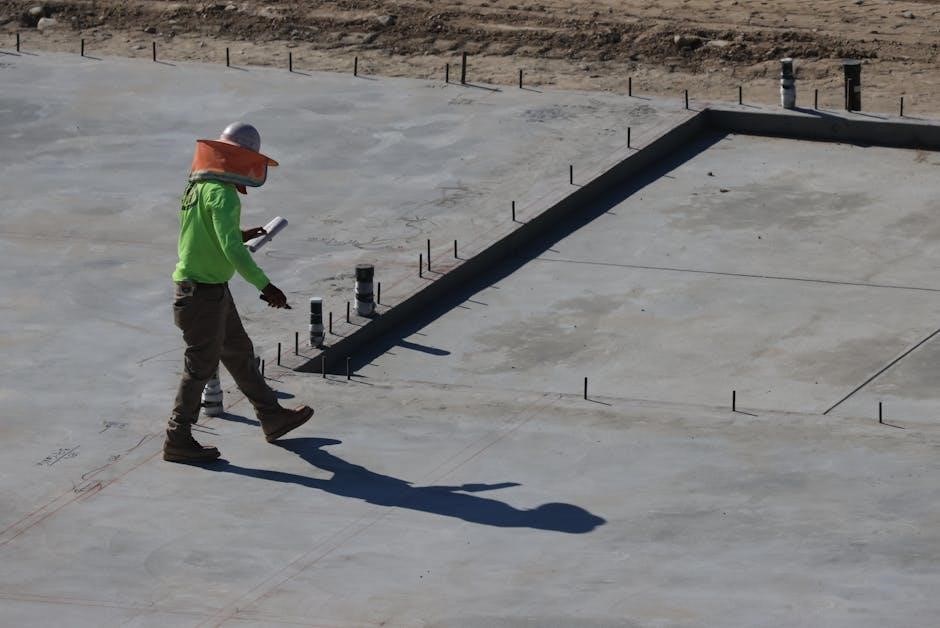
Construction safety plan PDFs require detailed confined space entry protocols, vital for preventing serious injury or fatality. The plan must clearly define what constitutes a confined space – limited entry/exit, poor ventilation – and necessitate a permit-required entry system.
Prior to entry, atmospheric testing for oxygen levels, flammable gases, and toxic substances is mandatory, documented within the PDF. Continuous ventilation, attendant duties, and rescue procedures must be outlined.
Workers require specialized training on hazard recognition and the use of appropriate personal protective equipment (PPE). Similar to the comprehensive approach of the TA2024 safety plan, the PDF should include checklists and forms for pre-entry assessments and post-entry evaluations, ensuring a safe working environment.
Heavy Equipment Operation Safety
A robust construction safety plan PDF must dedicate significant attention to heavy equipment operation, a leading cause of site incidents. The plan should detail pre-operational inspections, encompassing checks of brakes, steering, and safety devices, documented within the PDF.
Operator qualifications and certifications are paramount, alongside clear guidelines on signaling, spotter requirements, and designated traffic routes. Load limits, ground stability assessments, and proximity to overhead power lines must be explicitly addressed.
Like the thoroughness of the TA2024 plan, the PDF should include procedures for safe refueling, maintenance, and securing equipment when not in use. Regular training and adherence to manufacturer’s recommendations are crucial for minimizing risks and ensuring a safe operational environment.
Training and Communication
Construction safety plan PDFs necessitate comprehensive safety training programs and regular toolbox talks, ensuring hazard communication and worker understanding.
Safety Training Programs
Effective safety training programs, detailed within a construction safety plan PDF, are paramount for mitigating risks on sites like TA2024. These programs must cover hazard identification, proper use of Personal Protective Equipment (PPE), and emergency procedures.
Training should be tailored to specific roles and responsibilities, ensuring all workers – including subcontractors – understand their obligations. Programs should address excavation safety, electrical protocols, fall protection, and confined space entry, as outlined in comprehensive plans.
Regular refresher courses and updates, especially considering initiatives like Construction Safety Week 2026, are essential. Documentation of all training, as part of the PDF, is crucial for compliance and demonstrating a commitment to a safe work environment. Massachusetts builders benefit from specialized training resources.
Toolbox Talks and Safety Meetings
Toolbox talks and regular safety meetings are critical components of any robust construction safety plan PDF, like the one for the TA2024 turnaround site. These short, focused discussions reinforce safe work practices and address site-specific hazards.
Meetings provide a platform for hazard communication, allowing workers to share concerns and contribute to a safer environment. They should cover topics relevant to current tasks, referencing the PDF’s procedures for fall protection, excavation, and electrical safety.
Documentation of these sessions, included within the PDF, demonstrates a proactive safety culture. Aligning meeting schedules with Construction Safety Week 2026 initiatives can further emphasize safety commitment. Massachusetts builders should prioritize these frequent, informal safety reviews.
Communication Protocols for Hazards
Effective communication protocols for hazards are paramount within a comprehensive construction safety plan PDF, mirroring the Occupational Health cooperation required at sites like TA2024. Clear procedures must outline how workers report unsafe conditions, near misses, and incidents.
The PDF should detail reporting channels – supervisors, safety managers, and designated personnel – and emphasize the importance of immediate notification. Protocols should cover various communication methods: verbal reports, written forms, and potentially, digital platforms.
Massachusetts builders utilizing a construction safety plan template must ensure these protocols are easily accessible and understood by all personnel. Regular reinforcement during toolbox talks and safety meetings is vital, fostering a culture where hazard communication is prioritized and acted upon swiftly.
Plan Updates and Continuous Improvement
Construction safety plan PDFs require regular reviews, revisions, and incident investigations, like the TA2024 plan, to ensure continuous improvement and proactive hazard control.
Regular Plan Reviews and Revisions
Construction safety plan PDFs aren’t static documents; they demand consistent, scheduled reviews and updates. These revisions are crucial for maintaining relevance and effectiveness, mirroring the dynamic nature of construction sites like the TA2024 turnaround project.
Regular assessments should incorporate incident investigations, near-miss reports, and changes in site conditions or regulations. The review process must involve all stakeholders – safety managers, workers, and subcontractors – fostering a collaborative approach to hazard identification and mitigation.
Document control is paramount; each revision necessitates clear versioning to ensure everyone utilizes the most current PDF. This proactive approach, coupled with initiatives like Construction Safety Week 2026, strengthens the industry’s safety culture and minimizes risks.
Incident Investigation and Corrective Actions
A robust construction safety plan PDF must detail a thorough incident investigation process. Every incident, from minor near-misses to serious injuries, requires prompt and detailed analysis to determine root causes – mirroring the Occupational Health focus at sites like TA2024.
Investigations should involve all relevant parties, utilizing techniques like root cause analysis to identify systemic failures, not just immediate causes. Corrective actions must be clearly defined, documented, and implemented swiftly to prevent recurrence.
These actions may include revising procedures within the PDF plan, providing additional training, or modifying site conditions. Continuous improvement, emphasized during Construction Safety Week 2026, relies on learning from incidents and proactively enhancing safety protocols.
Construction Safety Week Initiatives (2026)
Construction Safety Week 2026, running May 4-8, launches a new five-year plan centered on strengthening the industry’s safety culture. This initiative, vital for all construction safety plan PDFs, emphasizes respect for skilled craft workers – a core tenet of proactive safety management, like that at the TA2024 turnaround site.
Expect increased focus on hazard recognition, proactive reporting, and empowering workers to stop unsafe acts. The week will promote the use of updated PDF safety plans, incorporating lessons learned from incident investigations and best practices.
Companies are encouraged to host events reinforcing safety commitments and demonstrating a dedication to a zero-injury workplace, aligning with Occupational Health cooperation goals.