
Manual Transmission Service: A Comprehensive Guide
Maintaining a manual transmission involves regular fluid checks and changes, typically every 30,000 to 60,000 miles, though severe conditions may necessitate more frequent servicing.
Owners manuals often lack specific intervals, with some suggesting topping off fluid every two years, while others recommend checks monthly for optimal performance.
Understanding service schedules, fluid types, and potential issues is crucial for longevity, preventing premature wear, and ensuring smooth gear changes for all vehicle types.
Understanding Manual Transmission Fluid (MTF)
Manual Transmission Fluid (MTF) is a specialized lubricant, distinct from automatic transmission fluid, designed to handle the unique stresses within a manual gearbox. It’s crucial for synchronizer function, gear lubrication, and bearing cooling. MTF viscosity and additives differ based on vehicle requirements, impacting shift quality and component life.
Unlike engine oil, MTF doesn’t typically have an oil filter, making regular fluid changes paramount. Ignoring MTF maintenance leads to increased friction, wear, and potential transmission failure. Selecting the correct MTF type – GL-4 or GL-5 – is vital for compatibility.
The Importance of Regular MTF Checks
Regular MTF checks are vital, even if a service interval isn’t strictly defined in your owner’s manual – some suggest checking monthly. Monitoring fluid level and condition helps detect leaks or internal wear early. Low or degraded MTF compromises synchronization, causing grinding and difficulty shifting.
Proactive checks prevent costly repairs and extend transmission life. Ignoring this maintenance can lead to premature component failure, especially under severe driving conditions. Simple visual inspections for color and smell can indicate degradation.
MTF Types and Specifications
Manual transmissions require specific MTF, primarily GL-4 or GL-5 gear oil, differing in extreme pressure additives. GL-4 is generally for older transmissions with brass or bronze components, while GL-5 suits more modern, hardened gears.
MTF also comes in synthetic and conventional formulations. Synthetic offers superior thermal stability and longer intervals, but can be pricier. Always consult your vehicle’s manual for the correct specification to avoid damage.
GL-4 vs. GL-5 Gear Oil
GL-4 gear oil contains moderate extreme pressure (EP) additives, suitable for transmissions with yellow metal components like brass or bronze. Using GL-5 in these can cause corrosion. GL-5, conversely, boasts higher EP additives for modern, hardened gearboxes, offering greater protection.
However, GL-5’s additives aren’t compatible with all older designs. Always verify your vehicle’s requirements; incorrect oil can lead to premature wear and costly repairs. Compatibility is key!
Synthetic vs. Conventional MTF
Synthetic MTF offers superior thermal stability, resisting breakdown at high temperatures, and providing better cold-flow properties for easier shifting in extreme climates. It generally lasts longer between changes, reducing maintenance frequency. Conventional MTF, while more affordable initially, doesn’t offer the same level of protection.
It’s prone to quicker degradation, requiring more frequent fluid changes. Consider your driving conditions and vehicle type when choosing; synthetics are ideal for performance or severe-duty applications.
Manual Transmission Service Intervals
Typical service intervals for manual transmissions range from 30,000 to 60,000 miles, but this varies significantly. Regular fluid level checks should be performed monthly to identify potential issues early. Severe driving conditions, like frequent towing or off-roading, necessitate more frequent servicing, potentially every 30,000 to 50,000 miles.
Always consult your owner’s manual for specific recommendations, as some manufacturers only advise topping off fluid every two years if needed.
Normal Driving Conditions Service Schedule
For typical, everyday driving, a full manual transmission service – including fluid change – is generally recommended every 60,000 miles. However, a more conservative approach of 30,000 to 60,000 miles provides enhanced protection. Complement this with monthly fluid level checks to ensure optimal operation and identify any potential leaks or degradation.
Remember to adhere to your vehicle’s owner’s manual guidelines if they differ from these general recommendations.
Severe Driving Conditions Service Schedule

If you frequently engage in demanding driving, shorten the service interval significantly. Under severe conditions – including frequent towing, off-road adventures, or racing – a manual transmission fluid change is advisable every 30,000 to 50,000 miles.
Consistent monitoring of fluid levels is also crucial, potentially increasing checks to every other oil change. Prioritizing these shorter intervals safeguards against premature wear and potential transmission failure.
Identifying “Severe” Driving Conditions
“Severe” conditions dramatically impact your manual transmission. These include frequent towing and hauling heavy loads, placing significant stress on the gears. Off-road driving and racing, with their demanding terrain and aggressive shifting, also qualify as severe.
Consistent high-speed driving, stop-and-go traffic in hilly areas, and dusty environments contribute to accelerated fluid degradation, necessitating more frequent service intervals.
Frequent Towing and Hauling
Regularly towing trailers or hauling heavy payloads significantly increases the strain on a manual transmission. This added weight demands greater power and torque, leading to increased heat and friction within the gearbox.
Consequently, the transmission fluid works harder, degrading faster and potentially causing premature wear of internal components. More frequent fluid changes are vital to mitigate these effects and maintain reliability.
Off-Road Driving and Racing
Engaging in off-road adventures or competitive racing subjects a manual transmission to extreme stress. Impacts, jarring shifts, and sustained high-performance demands accelerate fluid breakdown and component wear.

These conditions generate substantial heat and shock loads, requiring more frequent manual transmission fluid (MTF) service intervals. Proactive maintenance is essential to prevent failures and ensure consistent performance during demanding driving scenarios.
Tools Required for MTF Service
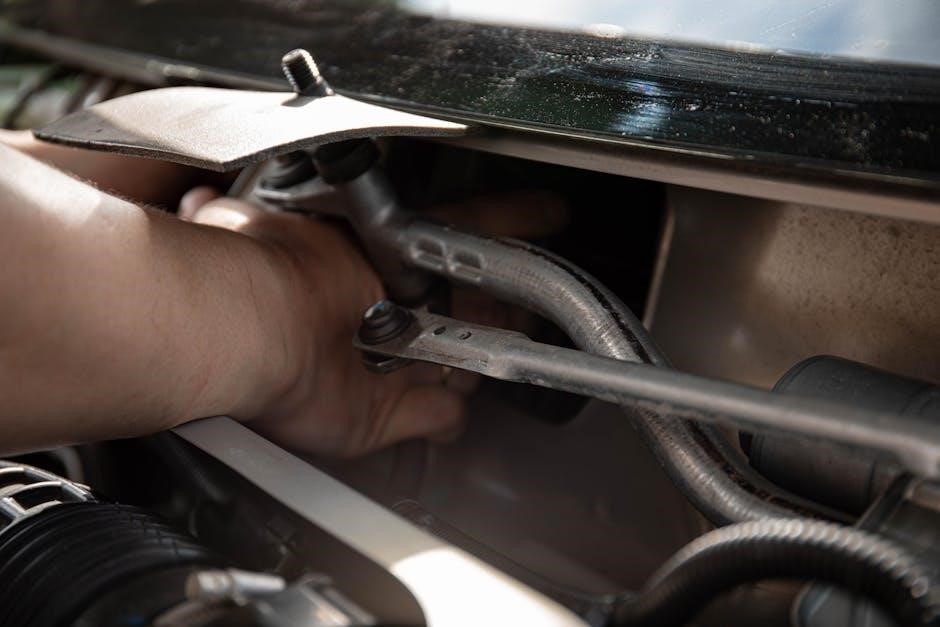
Performing a manual transmission fluid (MTF) service necessitates specific tools for a successful outcome. A fluid pump is vital for refilling the transmission, alongside a set of wrenches and sockets to access drain and fill plugs.
A drain pan is crucial for containing the old fluid, preventing messes. Gloves, safety glasses, and potentially a torque wrench are also recommended for a safe and precise service.
Fluid Pump
A fluid pump is essential for efficiently transferring new manual transmission fluid (MTF) into the transmission. Gravity alone often proves insufficient, especially with challenging fill plug locations.
These pumps come in various designs – hand-operated or pneumatic – with adaptable hoses to reach the fill port. Selecting a pump compatible with the MTF viscosity ensures smooth, bubble-free filling, crucial for proper transmission operation and longevity.
Wrenches and Sockets
Having the correct wrenches and sockets is paramount for safely removing the drain and fill plugs on the manual transmission. Plug sizes vary significantly between vehicle makes and models, necessitating a comprehensive set;
Six-point sockets are preferred to minimize the risk of rounding off the plugs. Utilizing breaker bars can provide extra leverage for stubborn plugs, preventing damage and ensuring a clean fluid change process.
Drain Pan
A sufficiently sized drain pan is absolutely essential during a manual transmission fluid service. The pan must have adequate capacity to contain the entire volume of old fluid—typically several quarts—without overflowing during the draining process.
Choosing a pan with a narrow spout facilitates clean and controlled transfer of the used fluid to a recycling container, minimizing spills and environmental contamination.
Step-by-Step MTF Change Procedure
Begin by safely lifting the vehicle and locating both the drain and fill plugs on the transmission. Carefully loosen the drain plug, positioning a drain pan underneath to catch the old fluid.
Once fully drained, reinstall the plug with a new crush washer. Then, using a fluid pump, slowly fill the transmission with the correct MTF type until the level reaches the specified mark, verifying proper level.
Locating the Drain and Fill Plugs
Identifying the drain and fill plugs requires careful inspection of the transmission housing. The drain plug is typically located at the lowest point, designed for complete fluid removal.
The fill plug, often positioned higher up, allows for refilling the transmission. Both are usually large bolts, and consulting your vehicle’s repair manual is crucial for accurate location, preventing damage during the process.
Draining the Old MTF
Begin draining by positioning a drain pan beneath the transmission’s drain plug. Using the correct wrench, carefully loosen and remove the plug, allowing the old fluid to fully discharge.
Be cautious, as the fluid may be hot. Ensure complete drainage for optimal results. Inspect the drained fluid for metal shavings, indicating potential internal wear, before proceeding to the next step.
Filling with New MTF
After draining, reinstall the drain plug with a new crush washer, tightening it to the manufacturer’s specified torque. Now, using a fluid pump, carefully introduce the correct type and amount of new manual transmission fluid (MTF) through the fill plug.
Avoid overfilling; check the level as described later. Ensure no contaminants enter during filling, maintaining fluid cleanliness for optimal transmission function and longevity.
Checking MTF Level

Proper verification typically involves removing the fill plug while the transmission is at operating temperature. With the vehicle level, fluid should slowly drip out, indicating a full level. If no fluid emerges, add MTF until it does.
Avoid overfilling, as this can cause pressure buildup and leaks. Consult your vehicle’s service manual for specific level-checking procedures and fluid temperature requirements for accurate results.
Proper Level Verification Techniques
Accurate MTF level checks require the vehicle to be on a level surface and the transmission warmed to operating temperature. Remove the fill plug first to ensure it can be removed later.
With the engine off, slowly remove the check plug; fluid should gently drip out. If it doesn’t, add fluid until it does, avoiding overfilling. Reinstall plugs securely to the specified torque.
Common Signs of MTF Degradation
Degraded MTF manifests in several ways, impacting driving experience. Difficulty shifting gears, especially into specific gears, is a primary indicator. Grinding noises during shifts suggest insufficient lubrication and potential gear wear.
A noticeable change in shift feel – becoming notchy or resistant – also signals fluid breakdown. Ignoring these symptoms can lead to costly transmission repairs or complete failure, emphasizing regular checks.

Difficulty Shifting Gears
Experiencing trouble selecting gears, particularly when the transmission is cold, often points to degraded MTF. Shifts may become vague, requiring excessive force, or the shifter might feel “notchy”.
This occurs as old fluid loses its lubricating properties, increasing friction between internal components. Difficulty downshifting is also common. Addressing this promptly prevents further damage and restores smooth operation, ensuring a pleasant driving experience.
Grinding Noises
Hearing grinding sounds, especially when shifting or attempting to engage a gear, is a significant warning sign of MTF degradation. This indicates insufficient lubrication, causing gears to clash instead of meshing smoothly.
Ignoring these noises can lead to severe gear damage and costly repairs. The grinding is often most noticeable during quick shifts or when accelerating. Prompt fluid service can often resolve this issue and prevent further transmission harm.
Potential Problems During MTF Service
Attempting a manual transmission fluid service can sometimes present challenges. Stripped drain or fill plugs are a common issue, requiring specialized tools or professional extraction. Using the incorrect fluid type can severely damage the transmission’s internal components.
Ensure proper plug alignment and torque specifications are followed. Always double-check fluid compatibility before introducing it into the system to avoid costly mistakes and potential transmission failure.
Stripped Drain/Fill Plugs
Stripped drain or fill plugs present a significant hurdle during MTF service. Over-tightening or corrosion can damage the threads, making removal difficult. Attempting forceful removal often exacerbates the problem, potentially requiring plug re-tapping or extraction by a professional.
Using the correct size wrench and applying steady pressure is crucial. If resistance is met, penetrating oil can assist. Severely damaged plugs may necessitate drilling and re-threading, best left to experienced mechanics.
Incorrect Fluid Type Used

Utilizing the wrong MTF can inflict substantial damage. Mixing GL-4 and GL-5 gear oils, or using automatic transmission fluid, compromises synchronizer performance and internal components. This mismatch leads to difficulty shifting, grinding noises, and accelerated wear.
Always consult your vehicle’s manual or a trusted parts supplier to confirm the correct specification. Incorrect fluid can necessitate a complete transmission flush and potentially costly repairs.
MTF Top-Off Procedures
Regularly checking MTF levels is vital, even between full service intervals. Begin by inspecting for leaks around the transmission housing, seals, and plugs. If a slight drop is noted, carefully add the correct MTF type using a fluid pump, avoiding overfilling.

Monitor the fluid level after a short drive, rechecking for leaks. Consistent topping off indicates a potential issue requiring professional attention to prevent damage.
Checking for Leaks
Thorough leak inspection is paramount during and after MTF service. Visually examine the transmission case, input and output shaft seals, and the drain and fill plug areas for any signs of fluid seepage.
Place cardboard underneath the transmission overnight to detect slow drips. Address any leaks promptly, as they lead to low fluid levels, causing damage and potentially requiring costly repairs. Consistent monitoring is key.
Transmission Component Inspection During Service
While the MTF is drained, inspect related components. Carefully examine the shift linkage for wear, looseness, or damage, ensuring smooth and precise gear selection.
Check the clutch slave cylinder for leaks or signs of failure, as issues here can mimic transmission problems. A visual inspection can reveal potential concerns before they escalate, saving on future repair costs and downtime.
Shift Linkage Inspection
A thorough inspection of the shift linkage is vital during MTF service. Examine all connection points for wear, looseness, or damage. Ensure the linkage moves freely without excessive play, contributing to precise gear engagement.
Check for worn bushings or bent components that could cause imprecise shifting. Addressing these issues proactively maintains optimal control and prevents further damage to the transmission itself, enhancing driving experience.
Clutch Slave Cylinder Check
Inspect the clutch slave cylinder for leaks, a common issue affecting manual transmissions. Look for fluid accumulation around the cylinder body and piston seal. Verify the piston moves smoothly and without resistance, ensuring proper clutch engagement and disengagement.
Address any leaks immediately to prevent clutch performance issues and potential transmission damage. A failing slave cylinder can lead to difficulty shifting or even complete clutch failure, requiring costly repairs.
Cost of Manual Transmission Service
Manual transmission service costs vary significantly. A DIY fluid change typically ranges from $50 to $150, covering fluid and basic tools. Professional service, however, can cost between $150 and $300, depending on labor rates and location.
More extensive repairs, like replacing a slave cylinder or addressing leaks, will substantially increase the overall expense. Choosing a qualified mechanic is crucial for accurate diagnosis and cost-effective solutions.
DIY vs. Professional Service Costs
DIY manual transmission fluid changes offer significant savings, typically costing $50-$150 for fluid and basic tools. However, they require mechanical aptitude and proper disposal of old fluid. Professional service, ranging from $150-$300, includes labor and expertise.
While pricier, professional service ensures correct fluid type, proper level, and inspection for potential issues, potentially preventing costly future repairs. Consider your skill level and comfort before deciding.

Finding a Qualified Mechanic
Locating a mechanic skilled in manual transmissions is crucial for proper service. Specialized transmission shops often possess greater expertise than general repair facilities. Seek recommendations from fellow car enthusiasts or online forums.
Verify the mechanic’s experience with your vehicle’s make and model. Ask about their diagnostic process and ensure they use the correct fluid specifications. A reputable mechanic will gladly answer your questions and provide a detailed estimate.
Specialized Transmission Shops
Dedicated transmission shops offer focused expertise, often exceeding general mechanics’ capabilities. These facilities invest in specialized tools and ongoing training, crucial for accurate diagnosis and repair of complex manual transmission issues.
They frequently handle a higher volume of transmission work, building extensive knowledge. Look for shops certified by industry organizations and boasting positive online reviews. Prioritize those offering warranties on their labor and parts, ensuring peace of mind.
Extended Service Considerations
Beyond routine fluid changes, consider the debate between a transmission flush and a simple fluid change. Flushes can remove more accumulated debris, but may dislodge particles causing issues in older transmissions.
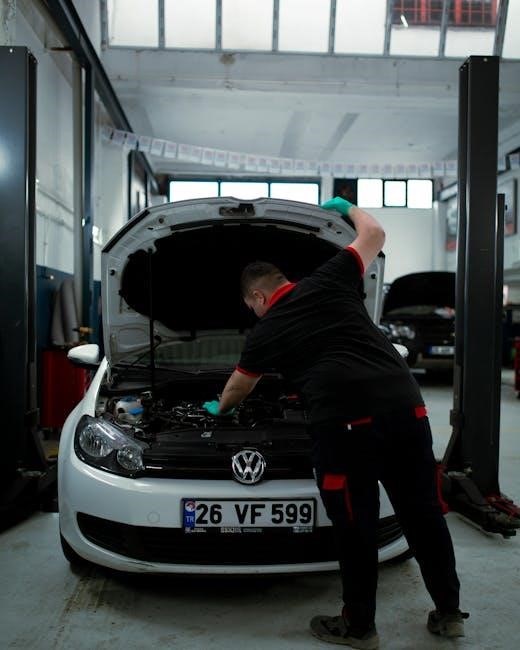
A fluid change, replacing the existing fluid, is generally safer for high-mileage vehicles. Regularly inspecting the clutch system alongside MTF service is also wise, as wear in one impacts the other. Proactive maintenance extends transmission life.
Transmission Flush vs. Fluid Change
A transmission flush utilizes machinery to comprehensively replace all fluid, including within the torque converter and cooler lines, removing more sediment. However, it carries a risk of dislodging debris, potentially causing problems in older, higher-mileage transmissions.
A fluid change simply drains and refills the transmission, a safer option for older vehicles. While less thorough, it avoids the risk of disturbing settled contaminants, offering a balanced approach to maintenance.
Impact of Neglecting MTF Service
Ignoring manual transmission fluid (MTF) service leads to premature wear and eventual failure of internal components. Degraded fluid loses its lubricating properties, causing increased friction and heat, accelerating damage to gears and bearings.
This neglect manifests as difficulty shifting, grinding noises, and ultimately, costly repairs or complete transmission replacement. Proactive maintenance, through regular fluid changes, is vital for extending transmission lifespan and avoiding significant expenses.
Premature Wear and Failure
Neglecting MTF service directly contributes to accelerated wear of gears, bearings, and synchronizers within the manual transmission. Old, contaminated fluid loses its ability to effectively lubricate, increasing friction and heat generation.
This leads to scoring, pitting, and eventual component failure. Ignoring fluid changes dramatically shortens transmission life, potentially resulting in expensive repairs or complete replacement, highlighting the importance of preventative maintenance.
MTF Service for Different Vehicle Types
MTF service needs vary based on vehicle usage. Trucks and SUVs, often subjected to towing and hauling, require more frequent changes – potentially every 30,000 miles – due to increased stress.
Conversely, sports cars and performance vehicles, demanding precise shifts, benefit from high-quality synthetic MTF and potentially shorter intervals. Regular checks are vital for all, adapting to driving conditions and ensuring optimal transmission health.
Trucks and SUVs
Trucks and SUVs frequently endure demanding tasks like towing, hauling, and off-road driving, significantly impacting manual transmission fluid. Consequently, these vehicles necessitate more frequent MTF service, ideally every 30,000 miles, or even sooner under severe conditions.
Regular fluid checks are crucial to mitigate the increased stress, preventing premature wear and ensuring reliable performance. Prioritizing maintenance extends transmission life and avoids costly repairs.
Sports Cars and Performance Vehicles
Sports cars and performance vehicles, subjected to aggressive driving – including racing and spirited acceleration – demand meticulous manual transmission maintenance. A shorter service interval of 30,000 to 45,000 miles is recommended to counteract the heightened stress on the gearbox and fluid.
Using high-quality synthetic MTF is vital for optimal lubrication and heat dissipation, preserving performance and preventing component failure. Regular inspections are also key.
Preventative Maintenance Tips
Proactive maintenance significantly extends manual transmission life. Regularly check the MTF level – ideally monthly – to ensure proper lubrication and prevent damage. Address any leaks promptly, as low fluid levels accelerate wear.
Be mindful of driving habits; avoid harsh shifting and excessive clutch slipping. Following the recommended service schedule, and using the correct fluid type, are crucial preventative measures.
Regular Fluid Level Checks
Consistent MTF level checks are paramount for transmission health. Implement a monthly inspection as a preventative measure, ensuring the fluid remains within the specified range. Low levels indicate potential leaks or internal wear, demanding immediate attention.
Proper fluid volume guarantees adequate lubrication, minimizing friction and preventing premature component failure. This simple habit can save significant repair costs down the line, preserving transmission longevity.