
NEC Telephone User Guide: A Comprehensive Overview (Updated 04/22/2026)
Welcome! This guide, updated today – 04/22/2026 at 13:56:34 – provides essential information for NEC telephone systems, acknowledging potential service impacts due to planned outages․
NEC has a long-standing reputation for delivering robust and reliable communication solutions, and their telephone systems are widely deployed across various industries․ These systems range from small business solutions supporting a handful of users to large enterprise platforms managing thousands of extensions․ A key strength of NEC systems lies in their scalability and flexibility, allowing businesses to adapt their communication infrastructure as their needs evolve․
Understanding the core components of an NEC telephone system is crucial for effective operation․ This includes the call server, which manages call routing and features, the phones themselves – available in a variety of models with differing capabilities – and the network infrastructure that connects everything․ Recent updates, like the one reflected today (04/22/2026), address potential service disruptions, such as the planned outage on 1/14, ensuring continued connectivity whenever possible․ This guide will help you navigate these systems effectively․
Understanding Your NEC Phone Model
NEC offers a diverse range of telephone models, each designed with specific features and functionalities․ Identifying your exact model is the first step to unlocking its full potential․ Common models include digital desk phones, IP phones, and wireless handsets․ Each type connects differently and supports varying features․
Locate the model number, usually found on a sticker underneath the phone or within the settings menu․ Once identified, consult the specific user manual for detailed information regarding its unique capabilities․ Be aware of potential service impacts, as noted on 04/22/2026, due to planned maintenance like the 1/14 outage․ Understanding your phone’s layout – buttons, display, and indicators – is essential for basic operation and accessing advanced features․ Familiarize yourself with the function of each key to maximize efficiency․
Basic Phone Operation
Operating your NEC telephone is generally straightforward․ Lift the handset to initiate a call, or use the speakerphone function․ Dial the desired number using the keypad, and wait for a dial tone before beginning․ To answer an incoming call, simply lift the handset or press the answer button․ During a call, utilize the hold button to temporarily suspend the connection․

Remember that services may be impacted by planned outages, such as the one scheduled for 1/14, as of 04/22/2026․ Muting the microphone prevents the other party from hearing your surroundings․ The redial button quickly calls the last number dialed․ Explore the phone’s display for caller ID information and call duration․ Practice these basic functions to become comfortable with daily phone use and ensure seamless communication․
Making and Receiving Calls
To initiate a call on your NEC phone, lift the handset and dial the complete number, ensuring a dial tone precedes your entry․ Alternatively, use speed dial if programmed, or select a contact from the phonebook if available․ Incoming calls are indicated by a ringing tone or visual notification on the display․ Answer by lifting the handset or pressing the designated answer key․
Be aware of potential service disruptions, like the planned outage on 1/14, as of 04/22/2026․ During a call, utilize features like hold or mute as needed․ Caller ID displays incoming caller information․ If unavailable, the number will be shown․ Practice making and receiving calls to familiarize yourself with the system’s responsiveness and ensure clear communication․
Adjusting Volume and Ringer Tone
Your NEC telephone allows customization of both the handset volume and the ringer tone to suit your preferences and environment․ Volume control is typically achieved via dedicated buttons on the phone itself, often labeled with plus (+) and minus (-) symbols․ Adjust the handset volume during a call for optimal clarity․ Ringer tone adjustments are usually accessed through the phone’s menu system․
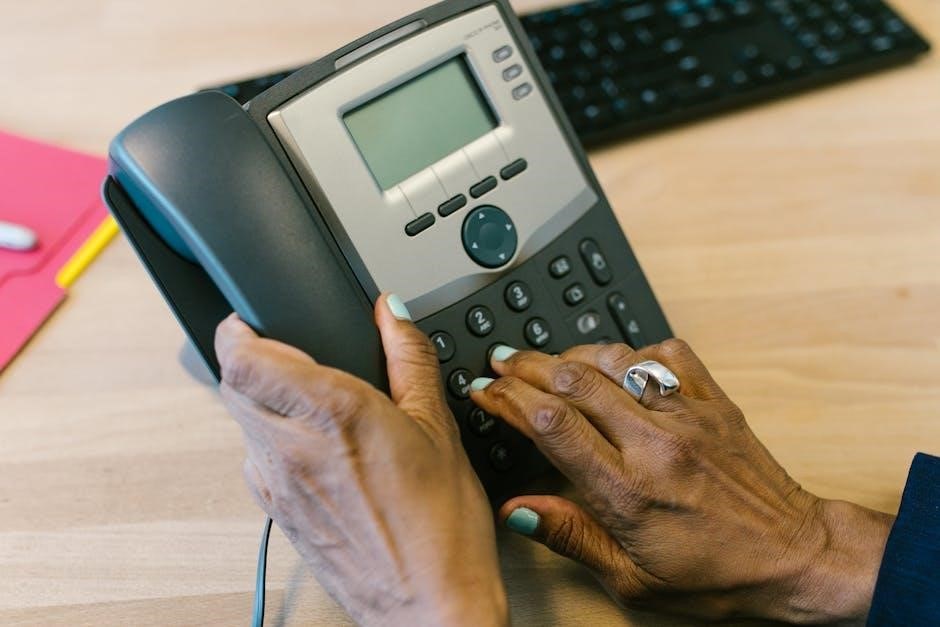
Consider potential service impacts, noted on 04/22/2026, when testing these features․ Within the menu, you can select from various ringer tones and adjust the ringer volume․ Some models offer different ringer tones for internal and external calls․ Ensure the ringer volume is loud enough to be heard, but not disruptive to others; Refer to your specific model’s documentation for detailed instructions․
Navigating the Phone Menu
Accessing the menu on your NEC telephone unlocks a range of customizable features and settings․ Typically, a “Menu” or “Options” button initiates access․ Navigation is generally performed using the directional pad or numeric keypad, as indicated on-screen․ The menu structure varies depending on your specific NEC phone model, but common options include call history, address book, feature settings, and system information․


Be mindful of potential service disruptions, as noted on 04/22/2026, while exploring menu options․ Familiarize yourself with the menu layout to efficiently manage your phone’s functionalities․ The display will guide you through each level of the menu․ Remember to confirm selections using the “Select” or “OK” button․ Refer to your phone’s user manual for a detailed map of the menu structure․
Using Call Transfer Features
NEC telephone systems offer robust call transfer capabilities, allowing seamless redirection of incoming calls․ To initiate a transfer, typically, you’ll press a “Transfer” button during an active call․ You can then dial the extension number of the intended recipient․ Some models offer “warm transfer,” where you announce the caller before completing the transfer, or “blind transfer,” which immediately connects the caller․
Remember that service impacts may occur due to planned outages (as of 04/22/2026), potentially affecting transfer reliability․ Always confirm the extension number before transferring․ Utilize the warm transfer option whenever possible for a professional experience․ Consult your system administrator for specific transfer codes or configurations․ Proper call transfer enhances communication efficiency within your organization․
Conference Calling on NEC Phones
NEC phone systems facilitate efficient conference calls, enabling multiple participants to connect simultaneously․ Initiate a conference call by first establishing a call with the first party․ Then, press the “Conference” or “Hold” button (depending on your model), and dial the extension of the next participant․ Repeat this process to add additional parties;
Be mindful of potential service disruptions, as noted on 04/22/2026, which could impact call quality during conferences․ Ensure all participants are aware of the conference call protocol․ Some systems allow for pre-defined conference call groups․ Utilize a headset for clearer audio․ Proper conference call management improves collaboration and productivity within your team․ Consult your system administrator for advanced features․

Voicemail Setup and Management
NEC voicemail provides a reliable method for message storage when you are unavailable․ Initial setup typically involves recording a personalized greeting․ Access your voicemail by pressing the dedicated voicemail key on your phone, or by dialing a specific access number․ Remember potential service impacts, as reported on 04/22/2026, may temporarily affect voicemail access․
Manage messages by listening, deleting, or saving them․ Most systems offer options to forward voicemail messages to an email address․ Regularly check your voicemail to avoid missing important communications․ A clear and concise greeting enhances professionalism․ Consult your system administrator for advanced features like voicemail transcription or remote access․ Proper voicemail management ensures you stay connected․
Accessing Your Voicemail
To access your NEC voicemail, typically you’ll press a dedicated voicemail key on your telephone handset – often labeled with a cassette icon or a similar symbol․ Alternatively, you may need to dial a specific access number provided by your system administrator․ Be mindful of potential service disruptions, as noted on 04/22/2026, which could temporarily impact access․
You will likely be prompted to enter your voicemail password or extension number․ If you’ve forgotten your password, contact your IT support team for assistance․ Once authenticated, the system will present a menu of options, allowing you to listen to new messages, review saved messages, or adjust your voicemail settings․ Ensure a stable connection for uninterrupted access․

Voicemail Message Management
Once inside your voicemail, you’ll have several options for managing your messages․ Typically, you can listen to new messages sequentially, skip to the next message, or replay the current one․ Most NEC systems allow you to save important messages for future reference, assigning them a specific folder or label․ Remember potential service impacts, as of 04/22/2026, may affect functionality․
You can also delete unwanted messages to free up storage space․ Be cautious when deleting, as some systems offer no undo function․ Many NEC voicemail systems offer features like message forwarding to an email address or another extension․ Consult your system administrator for specific instructions and available features tailored to your organization’s configuration․
Understanding Feature Codes
NEC telephone systems utilize feature codes – short numeric sequences – to activate various functions directly from your phone․ These codes bypass the phone’s menu, offering quick access to features like call forwarding, do not disturb, or three-way calling․ Remember that service disruptions, as noted on 04/22/2026, could temporarily affect code functionality․
Common codes vary depending on your specific system configuration, so it’s crucial to consult your organization’s documentation or system administrator for a complete list․ Incorrectly entered codes may result in unintended actions or no response at all․ Familiarizing yourself with these codes streamlines your phone operation and enhances productivity․ A detailed code list is essential for efficient NEC phone usage․
Programming Common Features (Hold, Redial, etc․)
NEC phone systems allow customization of frequently used features․ Placing a call on hold is typically achieved via a dedicated ‘Hold’ button, but can also be programmed using a feature code․ Redialing the last number dialed is often accessible with a quick tap of the ‘Redial’ key, or through a specific code sequence․ Remember potential service impacts, as noted on 04/22/2026, may temporarily affect programming access․
Customization options are usually found within the phone’s menu system, accessible via the ‘Menu’ or ‘Options’ button․ Your system administrator may restrict access to certain programming functions․ Consult your organization’s documentation for detailed instructions specific to your NEC model․ Properly programmed features significantly improve call handling efficiency and user experience․
Troubleshooting Common Issues
Encountering problems with your NEC phone? This section addresses frequent concerns․ Remember the planned outage on 04/22/2026 (between 8am-1pm PST) might cause temporary disruptions․ First, verify the handset is securely connected․ If you experience no dial tone, check the phone cable and power supply․ Poor audio quality can often be resolved by adjusting the volume or checking for interference from other devices․

Restarting the phone can often resolve minor glitches․ If issues persist, consult your system administrator․ Document the problem – when it occurs, error messages, and steps taken – to aid in diagnosis․ Avoid attempting complex repairs yourself, as this could void your warranty or damage the system․ Prioritize simple solutions before escalating the issue․
No Dial Tone Troubleshooting
A lack of dial tone is a common issue․ First, ensure the telephone line cord is firmly connected to both the phone and the wall jack․ Verify the wall jack is active – test with another known working phone․ Check the power adapter; is it securely plugged into both the phone and a functioning power outlet? Remember the potential service impact from the planned outage on 04/22/2026 between 8am-1pm PST․
If using a multi-line phone, confirm the correct line is selected․ A faulty handset or internal phone component could also be the cause․ If the problem persists after these checks, contact your telecommunications provider or system administrator for further assistance․ Document any recent changes to your phone setup before reporting the issue․
Poor Audio Quality Solutions
Experiencing static, distortion, or low volume? Begin by checking the handset earpiece and mouthpiece for obstructions․ Ensure the telephone cord isn’t damaged or frayed, as this can significantly impact audio clarity․ Verify the volume control is set to an appropriate level – both on the phone itself and potentially within the NEC system settings․ Remember the planned power outage on 04/22/2026 may temporarily affect service․
If using a headset, confirm it’s properly connected and functioning․ Interference from other electronic devices nearby could also be a factor․ For persistent issues, contact your IT support or service provider; they can assess network connectivity and system configurations․ Document the specific audio problems you’re encountering for efficient troubleshooting․

Advanced Features: Call Forwarding & Do Not Disturb
NEC phone systems offer powerful features to manage your availability․ Call Forwarding allows you to redirect incoming calls to another extension or external number, ensuring you don’t miss important communications while away․ This can be configured remotely via feature codes or through the system’s administrative interface․ Remember potential service disruptions due to the planned outage on 04/22/2026․
Do Not Disturb (DND) silences incoming calls, providing uninterrupted focus․ You can typically activate DND with a dedicated button or feature code․ However, emergency calls may still bypass this setting․ Explore your specific NEC model’s documentation for detailed instructions on customizing these features to suit your needs and workflow․
NEC Phone System Security Considerations
Maintaining the security of your NEC phone system is crucial․ Regularly update system firmware to patch vulnerabilities and protect against unauthorized access․ Implement strong passwords for administrative accounts and restrict access to sensitive settings․ Be mindful of potential service impacts, like those anticipated on 04/22/2026 due to planned maintenance․
Consider enabling encryption for voice communications to safeguard against eavesdropping․ Monitor call logs for suspicious activity and educate users about social engineering tactics․ Secure physical access to the phone system hardware․ Regularly review and adjust security settings to adapt to evolving threats․ A robust security posture ensures business continuity and protects confidential information․

Resources for Further Assistance
Need additional support? NEC offers a comprehensive suite of resources to assist you․ Visit the official NEC website for detailed documentation, FAQs, and software downloads․ Explore the online knowledge base for troubleshooting guides and best practices, remembering potential service disruptions like those planned for 04/22/2026․
Contact NEC’s dedicated customer support team via phone or email for personalized assistance․ Consider joining online forums and communities where users share tips and solutions․ Authorized NEC dealers and service providers can offer on-site support and training․ Utilize these resources to maximize your NEC phone system’s functionality and ensure a smooth user experience․
Glossary of NEC Telephone Terms
Understanding the language of NEC telephony is key! PBX – Private Branch Exchange, the core of your NEC system․ VoIP – Voice over Internet Protocol, transmitting calls over the internet․ Feature Codes – Short codes activating specific functions, like call forwarding․ Extension – A unique number identifying each phone within the system․
Call Transfer – Redirecting an incoming call to another extension․ Conference Call – A call involving three or more participants․ Voicemail – A system for storing and retrieving voice messages․ Remember potential service impacts, as noted on 04/22/2026․ DID – Direct Inward Dialing, allowing external calls to reach specific extensions directly․ This glossary aids in navigating your NEC phone system effectively․