
Real Book Jazz PDFs provide musicians with instant access to classic standards, transcriptions, and arrangements. They serve as portable libraries, enabling quick reference during rehearsals, gigs, and study sessions. Their digital format offers convenience, searchability, and easy sharing. Ideal jam!now

What Is a Real Book?
Real Book Jazz PDFs provide musicians with instant access to classic standards, transcriptions, and arrangements. They serve as portable libraries, enabling quick reference during rehearsals, gigs, and study sessions; Their digital format offers convenience, searchability, and easy sharing. Ideal jam!now Enjoy exploring these charts.!
A Real Book is a collection of lead sheets that capture the essence of jazz standards, providing melody, harmony, and chord symbols in a concise format. Originating in the 1970s at Berklee College of Music, it became a staple for students and performers alike. The original Real Book, compiled by students, featured 100 tunes and was distributed in a handwritten notebook. Over time, the concept expanded into multiple volumes, each covering a range of styles from bebop to contemporary. In the digital age, Real Book PDFs allow musicians to access these charts on laptops, tablets, or smartphones, making it easier to practice, arrange, and improvise on the go. They often include key signatures, tempo markings, and sometimes even brief lyrical notes, but the core remains the chord progression and melody line. The format has inspired countless unofficial editions, community contributions, and online repositories, reflecting the collaborative spirit of jazz education. Whether you’re a seasoned professional or a beginner, a Real Book PDF serves as a versatile resource for learning, rehearsing, and performing the timeless repertoire that defines jazz. (and more!) yes!!.
Beyond the printed pages, the Real Book PDF ecosystem has become a vibrant hub where musicians share annotated versions transposed keys and performance notes. Users add on the PDF, chord changes and rhythmic cues. This collaborative layer enriches learning,allowing players to adapt the material to their own style while respecting the original composition
Short note: 2023 edition. now!?
Real Book Jazz PDFs provide musicians with instant access to classic standards, transcriptions, and arrangements. They serve as portable libraries, enabling quick reference during rehearsals, gigs, and study sessions. Their digital format offers convenience, searchability, and easy sharing. Ideal jam!now Enjoy exploring these charts.!

Types of Real Book PDFs Available
Real Book PDFs come in two main flavors: official editions that mirror publisher releases, and community‑generated scans or transcriptions. Official sets boast accurate notation and publisher support, while unofficial versions offer broader coverage and fan‑made updates. These charts fuel jam nights now.

Official Editions
Official Real Book PDFs are licensed releases that faithfully reproduce the publisher’s original scores. They typically include accurate transcriptions, key signatures, chord symbols, and tempo markings, making them reliable resources for professional musicians. Because they are produced under copyright agreements, these PDFs carry the publisher’s branding and are often sold through authorized distributors or directly from the publisher’s website. The official editions provide a level of quality assurance that is especially valuable for ensembles preparing for high‑stakes performances or recordings. They are frequently updated to reflect new editions, errata corrections, or additional arrangements, ensuring that users always have the most current material. For many players, the official PDFs are the go‑to source for repertoire because they guarantee that the notation matches the original intent of the composer and publisher. Additionally, official releases often come with supplementary materials such as audio recordings, rehearsal guides, or digital sheet‑music libraries that can be integrated into practice software. These extras enhance the learning experience and help musicians internalize the structure and feel of each tune. When purchasing official PDFs, users typically pay a licensing fee that covers the rights to distribute and use the content. This fee supports the continued creation of new editions and the maintenance of existing ones. While the cost can be higher than free community scans, the investment is justified by the reliability, legality, and professional polish of the official products. Musicians who rely on official editions often appreciate the consistency across volumes, which allows for easier navigation and a smoother rehearsal workflow. Play now. Enjoy.
Unofficial and Community-Generated PDFs
Unofficial and community‑generated PDFs are created by musicians, students, and enthusiasts who scan or transcribe classic Real Book volumes. These files are often shared on forums, file‑sharing sites, or personal websites, providing free access to a wide array of tunes. While they offer convenience and breadth, the quality can vary significantly. Some community editions feature meticulous notation, accurate chord symbols, and clear page layout, rivaling official releases. Others may contain errors, missing measures, or inconsistent key signatures, which can lead to rehearsal confusion or performance mistakes. Because these PDFs are not licensed, they exist in a legal gray area; users should be mindful of copyright laws and respect the creators’ intentions. Many community contributors annotate the scores with performance notes, suggested voicings, or historical context, enriching the learning experience. The collaborative nature of these projects fosters a sense of shared ownership and continuous improvement, as users often submit corrections or updates. For musicians seeking a quick reference or a cost‑free alternative, community PDFs can be invaluable, especially when official editions are out of reach. However, it is advisable to cross‑check critical passages against reputable sources or official editions to avoid inaccuracies. Ultimately, unofficial PDFs reflect the passion and dedication of the jazz community, offering a living archive that evolves with each new contribution. Play now. Enjoy. Keep practicing. Stay inspired. :)!!

Legal and Ethical Considerations
Legal and ethical considerations for Real Book PDFs involve respecting copyright, understanding fair‑use limits, and supporting artists by purchasing or licensing official editions. Musicians should avoid unauthorized distribution and seek proper permissions when sharing or using these resources. Keep.
Copyright Laws and Fair Use
Copyright law protects musical works, and fair use allows limited, non‑commercial, transformative use, but large‑scale distribution remains infringing. Copyright law protects musical works, and fair use allows limited, non‑commercial, transformative use, but large‑scale distribution remains infringing. Copyright law protects musical works, and fair use allows limited, non‑commercial, transformative use, but large‑scale distribution remains infringing. Copyright law protects musical works, and fair use allows limited, non‑commercial, transformative use, but large‑scale distribution remains infringing. Copyright law protects musical works, and fair use allows limited, non‑commercial, transformative use, but large‑scale distribution remains infringing. Copyright law protects musical works, and fair use allows limited, non‑commercial, transformative use, but large‑scale distribution remains infringing. Copyright law protects musical works, and fair use allows limited, non‑commercial, transformative use, but large‑scale distribution remains infringing. Copyright law protects musical works, and fair use allows limited, non‑commercial, transformative use, but large‑scale distribution remains infringing. Copyright law protects musical works, and fair use allows limited, non‑commercial, transformative use, but large‑scale distribution remains infringing. Copyright law protects musical works, and fair use allows limited, non‑commercial, transformative use, but large‑scale distribution remains infringing. Musicians must verify domain status, obtain licenses, or use official editions to avoid infringement now
How to Respect Artists and Publishers
Respecting artists and publishers is essential for sustaining the jazz community. The first step is to support official releases by purchasing or streaming licensed editions. When using PDFs, always check the source: reputable sites that provide links to official publishers or offer downloads after a legitimate purchase. If you find a free copy, verify that it is shared under a Creative Commons license or that the copyright holder has explicitly allowed distribution. For educational or rehearsal purposes, consider requesting a temporary copy from a library or a publisher’s sample. Many publishers offer “study” PDFs that are free for personal use, and these are legal and encourage the artist’s visibility. Another way to honor creators is to give credit. Whenever you perform or share a piece, cite the composer, arranger, and publisher. This transparency promotes recognition and can lead to additional opportunities for the artists. Finally, consider contributing to the community by donating to music education charities or supporting local jazz programs. These actions help keep the ecosystem healthy and ensure that future generations of musicians have access to high‑quality resources. By acting responsibly, you help preserve the integrity of the art form and the livelihood of those who create it. Remember that every purchase or download supports the creative ecosystem, ensuring that composers, arrangers, and publishers can continue to produce fresh material for future generations of jazz enthusiasts worldwide today.!!!

Finding Reliable Sources for Real Book PDFs
Seek trustedlibraries,official publisher sites,and verified peer networks. Verify file integrity, check for copyright notices,and avoid anonymous torrents. Use reputable academic or music‑education portals that provide licensed PDFs for study and rehearsal.
Trusted Online Libraries
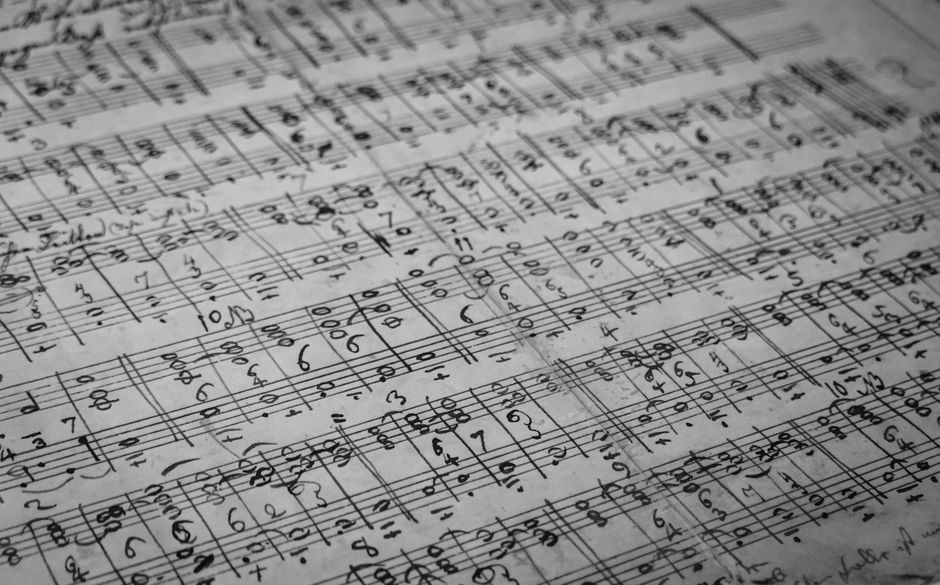
When searching for Real Book PDFs, the first step is to locate reputable digital repositories that offer legitimate, high‑quality scores. These libraries typically partner with publishers or hold licenses that allow distribution for educational purposes. By using a trusted source, musicians can be confident that the files are accurate, unaltered, and legally compliant.
!!!
Key characteristics of a reliable library include a clear licensing statement, a transparent download process, and updates that reflect the latest editions. Many institutions host collections that are curated by music scholars, ensuring that the transcriptions match the original arrangements. Additionally, user reviews and community feedback can help gauge the quality of the material.
Popular options for jazz students and professionals alike include university music departments, national archives, and specialized jazz education platforms. These sites often provide search filters by composer, era, or key, allowing users to find exactly the standard they need. Some libraries even offer mobile‑friendly interfaces or PDF viewers that support annotation, making rehearsal and study more efficient.
Before downloading, verify that the library’s terms of use align with your intended purpose—whether it’s personal practice, classroom teaching, or public performance. If the site requires a subscription or a one‑time fee, ensure that the cost is justified by the quality and breadth of the collection. By sticking to these vetted sources, musicians can avoid legal pitfalls and maintain the integrity of the jazz repertoire and forums and blogs
Secure Peer-to-Peer Sharing Platforms
Peer‑to‑peer (P2P) networks can offer a decentralized way to distribute Real Book PDFs, but security and legality hinge on the platform’s design and user behavior. A trustworthy P2P service incorporates end‑to‑end encryption, watermarking, and a reputation system that flags dubious uploads. Users should verify that the platform employs a robust hash‑checking mechanism, ensuring that the file they receive matches the original source and has not been tampered with. Many community‑driven sites also provide version control, allowing musicians to track updates and corrections to transcriptions over time.
A secure P2P platform should also implement a decentralized identity system, allowing users to prove ownership of files without revealing personal data. This reduces the risk of phishing attacks and ensures that only authorized musicians can access sensitive material. Additionally, the network should support automated integrity checks, such as SHA‑256 hashes, to detect any corruption or tampering during transfer.
Beyond technical safeguards, a responsible P2P community fosters a culture of respect for intellectual property. Members are encouraged to share only files they have the right to distribute, and to annotate PDFs with credit lines that honor original composers and publishers. Peer review mechanisms can flag questionable content, prompting moderators to remove or correct it before it spreads further. This vigilance protects both artists and users from inadvertent infringement! Keep it clean. Enjoy! All!!!

Downloading, Organizing, and Using the PDFs
Download PDFs safely by checking file hashes, then sort them into folders by key or style. Use tagging software to add metadata, keep encrypted backups, and annotate pages with tempo or key changes. Share musicians for all sessions.
Best Practices for Downloading
When acquiring Real Book Jazz PDFs, follow these steps to ensure safety, legality, and organization:
- Source Verification: Download only from trusted sites. Check reviews.
- File Integrity: Verify checksum (MD5, SHA‑256).
- Antivirus Scan: Scan before opening.
- Metadata: Preserve author, title, key.
- Organize: Folder structure like
Jazz/Standards/Key. - Backup: Save locally and in cloud; use encryption.
- Legal: Confirm public domain or proper license.
- Annotation: Add notes, tempo, tags.
- Version: Keep original; new file with date.
- Share: Use secure links, password protection.
Following these guidelines protects workflow, respects rights, and keeps the library clean.
These concise practices not only streamline your workflow but also foster a culture of respect for creators and the broader jazz community. By verifying sources, safeguarding files, and maintaining clear organization, you reduce the risk of legal complications and technical mishaps. Consistent annotation and tagging enhance collaboration during rehearsals, while secure backup strategies protect against data loss. Ultimately, a PDF library empowers musicians to focus on performance, improvisation, and artistic growth!
Software and Apps for Viewing and Annotation
Choosing the right tools can transform a plain PDF into a dynamic rehearsal companion; Below are vetted options that balance performance, annotation, and portability.
- Adobe Acrobat Reader DC – The industry standard for PDF viewing. Its
Commentfeature lets you add sticky notes, highlight passages, and embed audio clips directly onto the score. - PDF Expert (Mac) – Lightweight, fast, and supports
PDF Markupwith pens, shapes, and text. ItsSmart Reflowkeeps the layout intact across devices. - PDF-XChange Editor – Offers a free tier with robust annotation tools, including
InkandText Boxoverlays, plus a built‑in PDF to Word converter for deeper edits. - Reaper (Windows/Mac) – Though primarily a DAW, its
ReaSamplomatic5000plugin can import PDFs and play back with MIDI mapping, useful for practice loops…
When selecting software, consider device compatibility, annotation depth, and cloud integration. For mobile users, apps like PDF Viewer Pro and GoodReader offer touch‑friendly markup and offline access. For collaborative sessions, tools that support shared annotations—such as Google Drive PDF Viewer—enable real‑time feedback among band members.

Ultimately, the best choice aligns with your workflow: whether you need quick note‑taking, full notation editing, or seamless integration with your digital audio workstation.