Discover how the Silent Night sheet PDF offers musicians a convenient, portable way to access the classic carol’s notation. Its digital format preserves every nuance, from dynamics to articulation, making rehearsal and performance smoother for choirs and soloists alike. Enjoy the sheet. now.!!
1.1 What Is Silent Night?
Silent Night, originally titled “Stille Nacht, heilige Nacht,” is a beloved Christmas carol composed in 1818 by Franz Xaver Gruber to lyrics by Joseph Mohr. The piece has become one of the most frequently performed holiday hymns worldwide, celebrated for its gentle melody and serene harmonies that evoke a sense of peace and reverence. Its simple yet profound structure—typically set in a slow, 6/8 meter—allows singers and instrumentalists to focus on expressive dynamics and subtle phrasing. Over the years, Silent Night has been adapted into countless arrangements, ranging from traditional choral settings to contemporary pop and jazz interpretations, yet the core of its lyrical content remains unchanged: a reflection on the quiet, holy night of Christ’s birth. The song’s enduring popularity can be attributed to its universal themes of hope, comfort, and unity, which resonate across cultural and religious boundaries. Whether performed in a cathedral, a small community gathering, or streamed online, Silent Night continues to inspire audiences with its timeless message of love and serenity. Its musical notation, often found in PDF format, provides a reliable reference for musicians seeking to preserve the integrity of the original composition while exploring creative interpretations. By downloading the PDF, musicians can annotate share and adapt the score while ensuring compliance with copyright laws and supporting this timeless hymn
1.2 History of the Music Sheet
The first printed edition of Silent Night appeared in 1820, shortly after its composition by Gruber and Mohr. This early score, published in the Austrian town of Oberndorf, was handwritten and distributed mainly to local churches. As the hymn spread across Europe, publishers began to standardize the notation, producing copperplate engravings that captured the original 6/8 meter and simple harmonic structure. By the late 19th century, the piece had entered the public domain in many countries, allowing composers to create new arrangements—ranging from four‑part chorales to solo piano transcriptions—while retaining the core melodic line. The advent of digital printing in the 1990s revolutionized access to the sheet: PDFs emerged as a convenient format, preserving the fidelity of the original engraving and enabling instant distribution worldwide. Today, countless versions of Silent Night exist in PDF form, from faithful reproductions of the 1820 edition to modern adaptations that incorporate contemporary harmonies and rhythmic variations. Musicians and scholars can now download, annotate, and share these scores with ease, ensuring that the hymn’s rich heritage remains accessible to future generations. The evolution from hand‑written manuscripts to high‑resolution PDFs reflects both technological progress and the enduring appeal of this timeless Christmas carol.
Advantages of PDF Format
PDFs keep the original layout, scale cleanly on any device, and allow quick sharing. They support annotations, bookmarks, and can be compressed for fast download. This format preserves fidelity, ensures accessibility, and saves printing costs. PDFs also support embedded fonts uniform display!
2.1 Accessibility
Silent Night music sheet PDFs enhance accessibility by offering multiple features that cater to diverse user needs. The fixed layout preserves the original score while allowing users to zoom in or out without loss of resolution, which is essential for musicians with visual impairments. Because PDFs can be read by screen‑reading software, the notation can be converted into Braille or spoken descriptions, enabling blind performers to interpret the piece. Additionally, the ability to add bookmarks and annotations lets users mark key passages, tempo changes, or rehearsal notes, making collaborative practice more efficient. Color‑contrast options and the option to switch to grayscale or monochrome help those with color‑vision deficiencies focus on the musical content rather than visual clutter. The PDF format also supports embedding of metadata, such as composer, key signature, and dynamic markings, which can be extracted by assistive technologies to provide contextual information. For educators, the ability to share a single file that remains consistent across devices means that students can access the exact same score whether they are on a laptop, tablet, or smartphone. This consistency reduces confusion and ensures that all participants are working from the same source. Moreover, PDFs can be compressed to reduce file size, allowing quick downloads even on limited bandwidth, which is crucial for users in areas with slower internet connections. Finally, the non‑editable nature of PDFs protects the integrity of the score, preventing accidental changes that might otherwise compromise the musical arrangement. Together, these features make the Silent Night music sheet PDF an inclusive tool that supports a wide range of performers and educators alike. By leveraging these accessibility options, musicians can focus entirely on interpretation and expression. This inclusive design supports both seasoned performers and novices, fostering a collaborative learning environment and encouraging creativity.
2.2 Preservation of Original Layout
Silent Night music sheet PDFs lock in the exact visual arrangement of the original score, ensuring that every clef, key signature, and dynamic marking appears exactly as intended. By embedding fonts and vector graphics, the PDF retains crisp lines and precise spacing, preventing distortion when zooming or printing. This fidelity is critical for performers who rely on visual cues such as slurs, beam alignment, and rehearsal marks that may be lost in rasterized images. The fixed layout also preserves page breaks and staves, allowing musicians to navigate the piece as it was originally published. Additionally, the PDF format supports high‑resolution rendering, so even complex polyphonic textures remain legible at large magnification. Because the file is non‑editable, the original design is protected from accidental alterations, maintaining the integrity of the arrangement across all devices. For educators, this means that printed copies match the digital version exactly, facilitating consistent teaching materials. Furthermore, the PDF’s ability to embed metadata—such as composer, arranger, and publication date—provides context that can be accessed by music software, enhancing the user’s understanding of the score’s provenance. The preservation of the original layout also aids in archival purposes, allowing libraries and institutions to store a faithful digital copy that can be consulted by future generations without the risk of format drift. In short, the PDF’s layout preservation ensures that Silent Night remains true to its historical presentation, supporting accurate performance and study. This digital format guarantees that the music remains accessible and authenticfor performers worldwide.
Popular Versions of Silent Night Sheet PDFs
Explore the most beloved Silent Night PDF versions, from the classic hymn layout to contemporary arrangements. Each PDF captures unique harmonies, vocal parts, and instrumental nuances, offering choirs and soloists versatile options for performance and study. Download them now to enrich your repertoire!!
3.1 Traditional Hymn Version
In the realm of Silent Night sheet PDFs, the traditional hymn version stands as a cornerstone for worshippers and musicians alike; This rendition preserves the original 1818 melody composed by Franz Xaver Gruber, accompanied by Joseph Mohr’s timeless lyrics. The PDF format captures the precise staves, key signatures, and dynamic markings that have guided congregations for centuries. By maintaining the original layout, performers can read the piece as it was first intended, ensuring authenticity in tempo, phrasing, and articulation. The traditional version typically includes a full choir arrangement, with SATB parts clearly delineated, and often features optional instrumental accompaniment for organ or piano. Many PDF libraries offer a clean, high‑resolution scan of the original manuscript, allowing users to study the notation in detail. For those preparing a holiday service, this version provides a reliable foundation, as it has been vetted by countless music directors and has a proven track record of resonating with audiences worldwide. Additionally, the PDF’s searchable text feature enables quick navigation to specific verses or musical phrases, facilitating efficient rehearsal planning. The traditional hymn PDF is also compatible with a wide range of music software, allowing for easy integration into digital scoreboards or virtual choir platforms. Whether you’re a seasoned conductor or a novice choir member, the traditional Silent Night PDF offers a faithful representation of the carol’s heritage, ensuring that each performance honors the spirit of its origins while remaining accessible to modern performers. This PDF is widely used in liturgical settings worldwide. Enjoy. :)!
3.2 Modern Arrangements
Modern arrangements of the Silent Night sheet PDF showcase the carol’s versatility across genres, from jazz and pop to contemporary classical. These adaptations often feature reharmonized chord progressions, syncopated rhythms, and inventive instrumentation that breathe new life into the familiar melody. A popular trend is the incorporation of electronic elements—synth pads, drum loops, and vocal effects—allowing performers to create atmospheric, cinematic renditions suitable for film soundtracks or modern worship services. Additionally, many contemporary composers craft intricate counterpoint, layering vocal lines with unexpected harmonies that challenge traditional harmonic expectations while preserving the song’s core emotional resonance. The PDF format excels in presenting these complex arrangements, offering clear staves, dynamic markings, and tempo indications that guide musicians through unconventional passages. Because the digital file can be zoomed and printed at various scales, choirs can experiment with different ensemble sizes, from intimate quartet settings to full‑scale orchestral productions. Furthermore, the availability of downloadable PDF scores means that arrangers can easily share their work with a global audience, fostering collaboration among musicians worldwide. Some modern versions also include alternative lyrics or bilingual translations, expanding the carol’s reach across cultural boundaries. By embracing contemporary musical language, these arrangements invite new generations to connect with the timeless spirit of Silent Night, ensuring that the hymn remains relevant in today’s diverse musical landscape. Enjoy exploring these fresh, inventive interpretations and let your performance reflect the evolving nature of this cherished holiday classic. :)!
How to Download Legal PDFs
Access official sites and public‑domain archives to obtain Silent Night sheet PDFs. Search reputable platforms, verify copyright status, and download files in PDF format. Always respect licensing terms and avoid unauthorized sources. Enjoy responsibly. Thanks
4.1 Official Sources
For a legally sound Silent Night music sheet PDF, start with the publisher’s official site. The rights holders—typically the composer’s estate or a licensed music publisher—offer authentic PDFs, often behind a simple registration or a modest fee. This guarantees the file’s integrity and compliance with copyright law.
National music societies also provide reliable downloads. In the United States, the American Choral Directors Association (ACDA) hosts a digital library of hymnals, including Silent Night, available to members or for purchase. These societies maintain strict licensing agreements, ensuring that the PDFs are fully legitimate.
Churches and dioceses frequently distribute their own hymnals via official portals. Because the hymn is used for worship, the PDFs they offer are free for congregants and legally compliant. Look for a “Downloads” or “Hymnals” section on the site, where the PDF will be labeled with the correct title and composer credits.
Additionally, some government‑run cultural heritage portals host public‑domain versions of older hymns. While Silent Night’s original composition remains under copyright in many regions, certain arrangements published before a specific date may have entered the public domain. These portals provide a safe, legal way to download PDFs without infringement risk. Always verify the publication date and copyright status before downloading.
Enjoy
4.2 Public Domain Resources
Silent Night’s original 1818 composition is still under copyright in many jurisdictions, but certain older arrangements and translations have entered the public domain. Music libraries such as IMSLP, Mutopia, and the Public Domain Project host PDFs that are free to download and share. These sites host scanned scores from the 19th‑century editions, complete with original notation and markings. The PDFs are often available in multiple page sizes, allowing users to print single‑page or full‑score versions. When using these resources, always confirm the edition’s publication date; a score dated before 1927 in the United States is typically public domain. Additionally, the Project Gutenberg collection includes a few hymnals that feature Silent Night in the public‑domain section, providing a clean, high‑resolution PDF. For educators and performers who need a reliable, legally safe source, these public‑domain repositories are invaluable. Downloading from these sites eliminates the risk of copyright infringement while ensuring that the sheet remains faithful to the original notation. Remember to cite the source if you distribute the PDF further, as many sites require attribution for public‑domain works. Enjoy exploring the timeless melody in a format that respects both tradition and law. By leveraging these resources, can focus on interpretation than legal hurdles, ensuring the spirit of Silent Night continues to inspire audiences for all worldwide!!.
Tips for Using the Sheet PDF in Practice
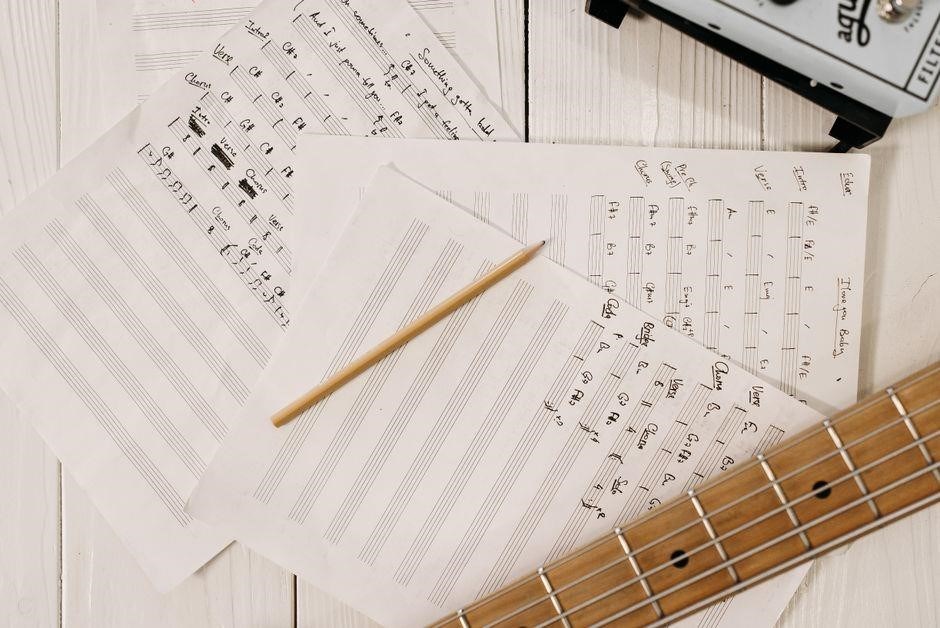
Use the PDF’s zoom to inspect details, then print with high‑resolution settings. Align pages on a flat surface, use a ruler for spacing, and label each page for quick reference. Store the PDF in a cloud folder for easy access during rehearsals. Keep the file organized, numbering pages and adding titles.!
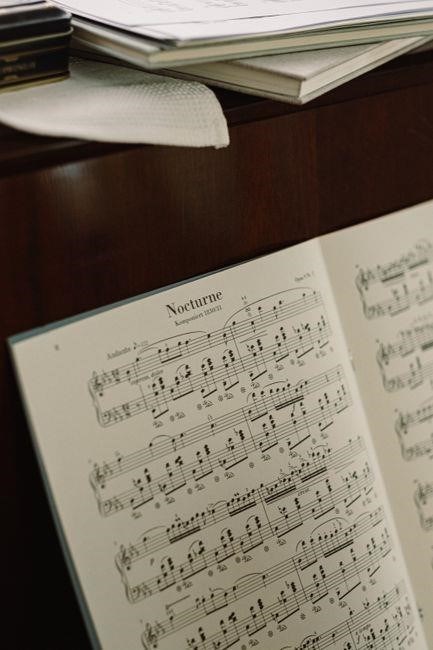
5.1 Printing Options
When printing a Silent Night music sheet PDF, start by selecting a high‑resolution printer to preserve the fine details of the notation. Choose a paper weight of at least 80 gsm to prevent bleed‑through and to provide a sturdy feel for performers. Adjust the page scaling to 100 % to avoid distortion of the staff lines; most PDF readers allow you to set “Actual Size” or “Fit to Page” options. For ensemble use, consider printing on both sides to save paper, but ensure that the back side does not interfere with the front’s visibility—use a light‑weight cardstock for the reverse side if necessary. If you need to share the sheet with a choir, create a booklet by selecting the “Booklet” printing layout, which automatically flips and nests pages for a folded presentation. For individual practice, use a single‑page layout with a ruler or a printable sheet divider to keep the pages aligned. When printing large groups, use a printer with a duplex function to reduce the number of sheets and to keep the set organized. Finally, after printing, laminate the pages or place them in clear sleeves to protect them from wear and tear during rehearsals and performances. This approach ensures that every musician has a crisp, durable copy of the Silent Night music sheet PDF ready for use.